Beef Amino Acids for Vegans & Vegetarians
The phrase "beef amino acids" might seem like the last thing relevant to a vegan or vegetarian. Yet the core question — are you getting all essential amino acids in the right amounts? — is critically important for anyone who trains hard and avoids animal protein.
This guide walks through where plant-based diets commonly fall short on amino acids, what dose targets to aim for, and how to choose products intelligently.
Why Plant-Based Diets May Fall Short
Plant proteins are not inherently inferior, but most plant sources are limiting in at least one essential amino acid. Lysine is the most common limiting amino acid in grain-heavy diets — wheat, rice, and oats all provide relatively little (Young & Pellett, 1994). Methionine tends to be low in legume-dominant diets. And while soy is often cited as a complete protein, its digestibility is lower than animal proteins.
The concept of digestibility-corrected amino acid scoring (DIAAS) highlights these differences. Animal proteins, including beef-derived concentrates, typically score higher on DIAAS than most plant proteins, meaning a greater proportion of the amino acids they contain are actually absorbed and used. This does not mean plant proteins are useless — it means portion sizing and food combining matter more.
For athletes specifically, leucine threshold matters. Leucine is the primary trigger for muscle protein synthesis, and research suggests that a higher amount of plant protein may be needed per meal to reach the leucine threshold compared to whey or beef protein (van Vliet et al., 2015).
Vegan-Friendly Sources of Key Amino Acids
Here is where vegans and vegetarians have more options than often assumed:
- Lysine: Well supplied by legumes — lentils, chickpeas, black beans. Tofu and tempeh are good sources. If supplementing, L-lysine tablets are an option.
- Methionine: Found in sunflower seeds, sesame, and hemp. Brazil nuts are exceptionally rich.
- Leucine: Soy protein isolate and pea protein are the highest plant-based sources. Combining multiple plant proteins improves the amino acid profile.
- Creatine: Synthesised in the body from arginine, glycine, and methionine, but dietary creatine is found exclusively in muscle tissue — meaning vegans have notably lower muscle creatine stores.
Beef-specific amino acid supplements — such as hydrolysed beef protein or beef amino tablets — do not fit a vegan lifestyle, but the underlying amino acid needs they address are universal.
Dose Targets
For adults engaged in regular resistance training, current evidence suggests a protein intake target to maintain muscle protein synthesis throughout the day. The International Society of Sports Nutrition recommends distributing protein intake across meals to optimise muscle protein synthesis (Stokes et al., 2018).
For vegans, this often means being more deliberate about leucine-rich meals and choosing higher protein portions at each sitting to compensate for the lower DIAAS scores of plant foods.
What to Combine
Strategic food combining can produce a complete amino acid profile:
- Grains + legumes (rice and beans, bread and hummus)
- Soy protein + any grain
- Pea protein + rice protein (this combination is commonly used in vegan protein blends and closely approaches a whey-like amino acid profile)
This does not have to happen in a single meal — the body's free amino acid pool means that combining across the day is sufficient.
Choosing a Vegan Product
If you are looking for plant-based alternatives that address the same amino acid gaps beef supplements target, consider products from the plant-based protein category at maxfit.ee. BIOTECHUSA Vegan Protein 500g Metsaviljad, BIOTECHUSA Vegan Protein 500g Sarapuupähkel, and BIOTECHUSA Vegan Protein 500g Vaniljeküpsis are among the available options that use pea and rice protein combinations to provide a more complete amino acid spectrum.
For those who are vegetarian rather than strictly vegan and are open to animal-derived amino acid supplements, 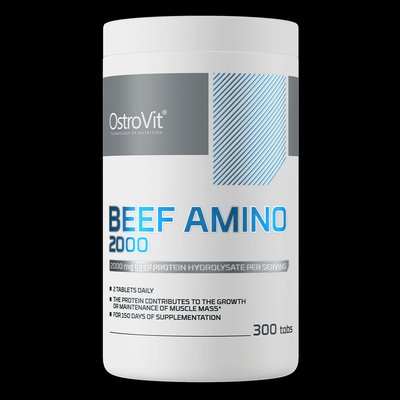 OstroVit Beef Amino€16.90 In stock 2000mg 300tabs from the animal-origin amino acids category provides concentrated amino acids derived from beef protein hydrolysate.
Regardless of your choice, the key is consistency: regular, adequate protein across the day matters more than the exact source in most healthy training contexts.
FAQ
Can vegans build muscle without beef amino acids?
Yes. Plant-based athletes can and do build muscle effectively. The key is ensuring sufficient total protein, paying attention to leucine-rich meals, and potentially supplementing with individual amino acids where dietary gaps exist.
Is pea protein as good as beef protein for amino acids?
Pea protein is one of the best plant-based sources but has lower digestibility and a less ideal leucine content compared to beef protein. Combining pea with rice protein closes much of the gap. A meta-analysis found similar muscle gains between pea and whey supplementation in resistance-trained individuals (Banaszek et al., 2019).
What is the most common amino acid deficiency in vegan athletes?
Lysine is most frequently limited in grain-dominant plant diets. Vegans who rely heavily on grains and do not include legumes regularly may have suboptimal lysine intake, which can limit muscle protein synthesis.
References
Young, V. R., & Pellett, P. L. (1994). Plant proteins in relation to human protein and amino acid nutrition. The American Journal of Clinical Nutrition, 59(5 Suppl), 1203S-1212S.
van Vliet, S., Burd, N. A., & van Loon, L. J. (2015). The skeletal muscle anabolic response to plant- versus animal-based protein consumption. The Journal of Nutrition, 145(9), 1981-1991.
Stokes, T., Hector, A. J., Morton, R. W., McGlory, C., & Phillips, S. M. (2018). Recent perspectives regarding the role of dietary protein for the promotion of muscle hypertrophy with resistance exercise training. Nutrients, 10(2), 180. https://pubmed.ncbi.nlm.nih.gov/29414855/
Banaszek, A., Townsend, J. R., Bender, D., Vantrease, W. C., Marshall, A. C., & Johnson, K. D. (2019). The effects of whey vs. pea protein on physical adaptations following 8-weeks of high-intensity functional training. Sports, 7(1), 12. https://pubmed.ncbi.nlm.nih.gov/30621129/



