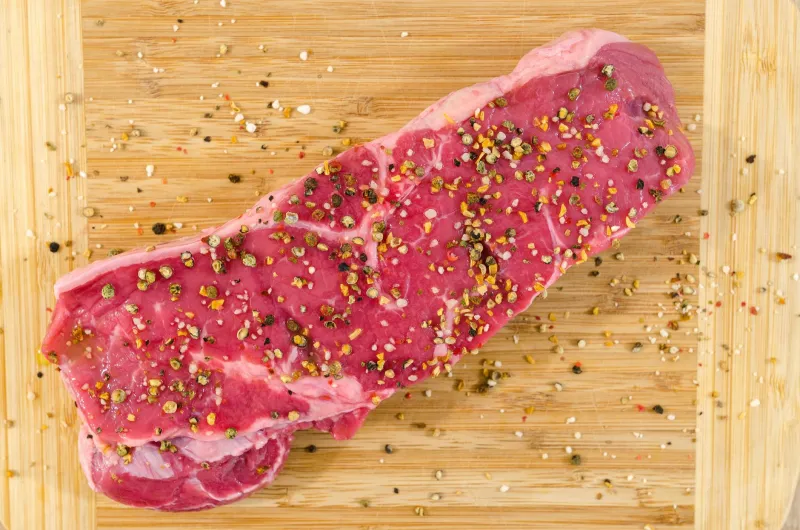
What Are Beef Amino Acids?
Beef amino acid supplements are concentrated hydrolysates derived from bovine protein — typically collagen-rich cuts or muscle tissue. They supply a broad spectrum of amino acids including glycine, proline, hydroxyproline, arginine, and small amounts of the branched-chain amino acids. Unlike whey, beef hydrolysates tend to be lower in leucine but higher in glycine and collagen-associated amino acids.
OstroVit Beef Amino 2000mg 300tabs is a concentrated tablet-form option available at maxfit.ee, delivering multiple amino acids per serving. For those preferring a protein powder format, BIOTECHUSA Beef Protein 500g products offer a similar amino profile in shake form.
Drug Interactions
Levodopa (Parkinson's Medication)
Large neutral amino acids — including those present in beef protein hydrolysates — compete with levodopa for transport across the blood-brain barrier. High-protein meals can reduce levodopa efficacy. If you take levodopa, discuss protein timing with your prescriber before using amino acid supplements.
Antibiotics (Tetracyclines and Fluoroquinolones)
Divalent cations like calcium, magnesium, and zinc, which can be present in minor amounts in complex protein supplements, may chelate certain antibiotics and reduce absorption. While beef amino supplements are not a major source of minerals, it is prudent to separate their intake from tetracycline or fluoroquinolone antibiotics by at least two hours.
Blood Pressure Medications
Arginine, present in beef amino hydrolysates, has been associated with modest vasodilatory effects. People taking antihypertensive drugs should be aware that high-dose arginine supplementation may have additive effects on blood pressure, though standard amino acid doses are unlikely to cause clinically significant changes.
Nutrient Competition and Synergy
Competition Between Large Neutral Amino Acids
Amino acids that share the same intestinal transporters compete for absorption. Beef amino hydrolysates contain both essential and conditionally essential amino acids. Consuming them alongside very large isolated doses of a single amino acid — such as high-dose tryptophan or tyrosine — may reduce the absorption of both. This is rarely a practical concern at label doses.
Synergy with Vitamin C
Collagen synthesis requires vitamin C as a cofactor for hydroxylation of proline and lysine. The glycine and proline in beef amino supplements support collagen formation, but this process is impaired without adequate vitamin C. Taking beef amino products alongside vitamin C-containing foods or supplements may be beneficial for joint and connective tissue support (Shaw et al., 2017).
Iron Absorption
Beef-derived peptides have been studied for their ability to enhance non-haem iron absorption when consumed together. This is a positive interaction for athletes, particularly those at risk of iron depletion, as the meat factor in beef peptides facilitates iron uptake (Hurrell & Egli, 2010).
Food Effects
High-Fat Meals
Fat slows gastric emptying, which in turn slows amino acid absorption. This is not inherently negative — a slower absorption rate can extend the anabolic window — but if you want rapid delivery around training, take beef amino supplements on a relatively empty stomach or with a small, low-fat meal.
Coffee and Tannin-Rich Beverages
Polyphenols and tannins in coffee, black tea, and red wine can form complexes with proteins and peptides, potentially reducing absorption. Taking beef amino supplements with water rather than tannin-rich drinks is a minor but sensible precaution.
Calcium-Rich Foods
Very high calcium intake can compete with amino acid absorption at the mucosal level and may interfere with iron absorption when iron-rich amino acid products are the goal. Space high-calcium foods (dairy, fortified products) by one to two hours if absorption optimisation matters to you.
Who Must Be Cautious
- Kidney disease: high-protein and amino acid supplements increase the nitrogen load on kidneys; consult a nephrologist before use.
- Phenylketonuria (PKU): any high-protein source is contraindicated.
- Gout: purines from beef-derived products may moderately elevate uric acid; those with gout should monitor intake.
- People on levodopa: as noted above, protein timing is critical.
Practical Rules
- Separate from levodopa by at least 60–90 minutes.
- Take with water, not tannin-rich drinks, for best absorption.
- Add vitamin C when your goal is connective tissue support.
- Time away from antibiotics by at least two hours.
- Hydrate well — amino acid metabolism increases nitrogen excretion.
Browse the full beef amino acid range at maxfit.ee and the broader animal-origin amino acid category.
FAQ
Can beef amino acids be taken with creatine?
Yes, creatine and beef amino acids do not compete for absorption and can be taken together. Both support muscle protein synthesis and performance through different mechanisms.
Do beef amino acids contain allergens?
Beef-derived products may be unsuitable for those with red meat allergies. They are naturally free from dairy and gluten, though cross-contamination in manufacturing should be verified on individual product labels.
Is it safe to take beef aminos every day?
For healthy adults without kidney or metabolic conditions, daily use at label doses is generally considered safe. Total protein intake from all sources should stay within your individual needs.
References
Shaw, G., Lee-Barthel, A., Ross, M. L., Wang, B., & Baar, K. (2017). Vitamin C-enriched gelatin supplementation before intermittent activity augments collagen synthesis. American Journal of Clinical Nutrition, 105(1), 136–143. https://pubmed.ncbi.nlm.nih.gov/27852613/
Hurrell, R., & Egli, I. (2010). Iron bioavailability and dietary reference values. American Journal of Clinical Nutrition, 91(5), 1461S–1467S. https://pubmed.ncbi.nlm.nih.gov/20200263/
García-Casal, M. N., Layrisse, M., Solano, L., Baron, M. A., Arguello, F., Llovera, D., & Tropper, E. (1998). Vitamin A and beta-carotene can improve nonheme iron absorption from rice, wheat and corn by humans. Journal of Nutrition, 128(3), 646–650. https://pubmed.ncbi.nlm.nih.gov/9482776/



