B Vitamins for Vegans & Vegetarians
If you follow a plant-based diet, B vitamins deserve careful attention. While most B vitamins are obtainable from a varied vegan diet, two stand out as genuine risk areas: vitamin B12 and, to a lesser extent, riboflavin (B2). Understanding where the gaps lie and how to close them is one of the most practical things a vegan or vegetarian can do for sustained energy, nerve function, and long-term health.
Why Plant-Based Diets May Fall Short
Vitamin B12 is produced almost exclusively by microorganisms and is naturally present in meaningful amounts only in animal products — meat, fish, eggs, and dairy. Plants contain negligible amounts; fermented foods and some algae provide variable and often unreliable quantities. A systematic review found that the prevalence of B12 deficiency among vegetarians and vegans is substantially higher than in omnivores, with some studies reporting deficiency in over half of long-term vegans who do not supplement (Pawlak et al., 2013).
Folate (B9) is generally abundant in legumes and leafy greens, but some vegans may undereat these foods. Riboflavin (B2) can also be lower in strict vegans who avoid dairy. The remaining B vitamins — B1, B3, B5, B6, biotin — are broadly available in plant foods and deficiency is uncommon with a varied diet.
Vegan-Friendly Sources
For B12, fortified foods — plant milks, nutritional yeast, certain cereals — are the main dietary strategy. However, fortification levels vary and are often not sufficient to meet needs reliably without supplementation. For active people or those with high turnover (athletes, pregnant women), supplementation is the only consistent path.
For folate: dark leafy greens (spinach, kale), legumes (lentils, chickpeas), and asparagus are excellent sources. Riboflavin is found in almonds, mushrooms, and fortified cereals.
Dose Targets
B12 is unique: because absorption through the intrinsic-factor pathway is limited per dose, high-dose cyanocobalamin or methylcobalamin supplements compensate effectively. A dose in the range of several hundred micrograms a few times per week, or a lower daily dose, are both recognised strategies.
For other B vitamins, a B-complex supplement covering reference daily intakes is typically sufficient. Athletes training intensively may have marginally higher needs for B2, B6, and folate due to increased cellular turnover, though evidence for dramatic dose escalation beyond standard B-complex amounts is limited.
What to Combine
B12 and folate work closely together in one-carbon metabolism — adequate folate will not mask a B12 deficiency clinically in terms of neurological harm. If you supplement folate in high amounts without ensuring adequate B12, neurological symptoms of B12 deficiency can progress undetected. This is why a balanced B-complex, rather than isolated mega-dose folate, is generally wise.
B6 supports amino acid metabolism and pairs naturally with an active lifestyle. Riboflavin (B2) is needed to activate B6, creating another interdependency argument for using a comprehensive complex rather than single-vitamin supplements.
Choosing a Vegan Product
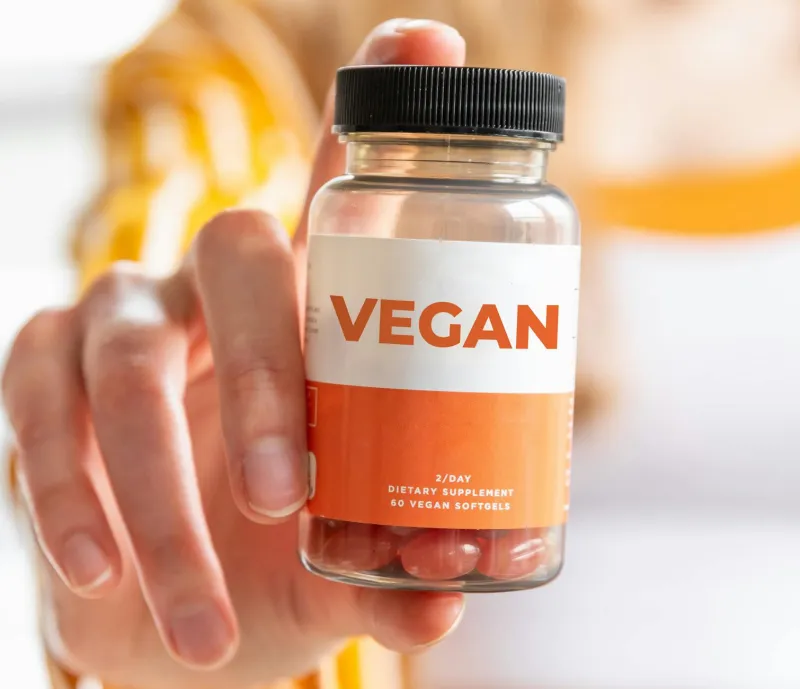
Look for a supplement that is clearly labelled vegan, covers B12 (ideally as methylcobalamin), B2, B6, B9 (folate or folic acid), and does not rely solely on fillers derived from gelatine or lactose.
OstroVit Vitamin B Complex 90tabs, BIOTECHUSA B-Complex 60tab, MST B-Complex Professional 60caps, and ICONFIT Capsules B-Vitamin Complex N90 are all available at maxfit.ee. Check the label for vegan certification if that matters to you. OstroVit Vitamin B12 Methylocobalamin 100mcg 120tabs is a good standalone B12 option if you already eat a varied diet and only want to close the B12 gap specifically. Browse the full B-vitamiin category for available options.
FAQ
Do all vegans need to supplement B12?
Practically yes. B12 from plant foods is unreliable and insufficient. Supplementing B12 is the standard recommendation for all vegans and most vegetarians who do not consume eggs and dairy regularly.
Is methylcobalamin better than cyanocobalamin for vegans?
Both forms are effective. Methylcobalamin is the active coenzyme form; cyanocobalamin is synthetic but well-studied and used in most large clinical trials. Either is a valid choice.
Can I get enough folate from a vegan diet without supplementing?
Generally yes, provided you eat sufficient leafy greens and legumes. However, if you are pregnant or planning pregnancy, supplemental folic acid is strongly advised regardless of diet.
References
Pawlak, R., Parrott, S. J., Raj, S., Cullum-Dugan, D., & Lucus, D. (2013). How prevalent is vitamin B(12) deficiency among vegetarians? Nutrition Reviews, 71(2), 110–117. https://pubmed.ncbi.nlm.nih.gov/23356638/
Rizzo, G., Laganà, A. S., Rapisarda, A. M. C., La Ferrera, G. M. G., Buscema, M., Rossetti, P., Nigro, A., Muscia, V., Valenti, G., Sapia, F., Sarpietro, G., Zigarelli, M., & Vitale, S. G. (2016). Vitamin B12 among vegetarians: status, assessment and supplementation. Nutrients, 8(12), 767. https://pubmed.ncbi.nlm.nih.gov/27916823/



