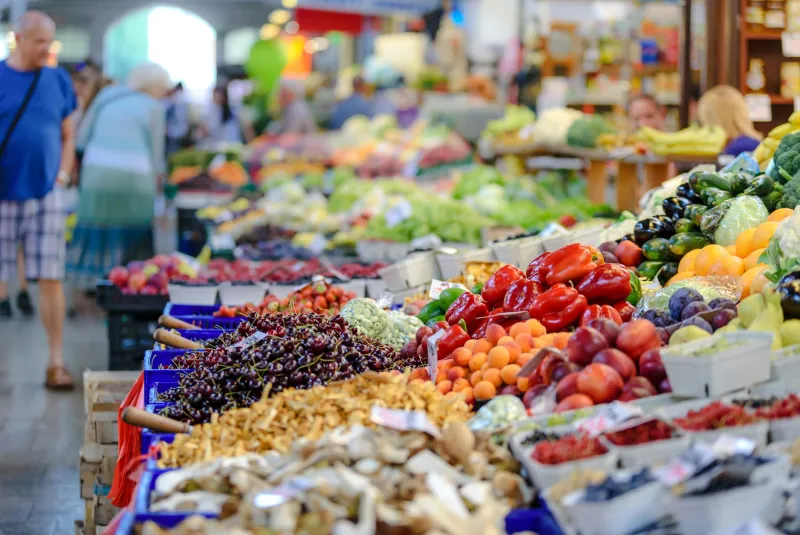
Why B Vitamins Matter
The B vitamins are a family of eight water-soluble compounds: thiamine (B1), riboflavin (B2), niacin (B3), pantothenic acid (B5), pyridoxine (B6), biotin (B7), folate (B9), and cobalamin (B12). Together they are indispensable cofactors in energy metabolism, DNA synthesis, red blood cell production, and nervous system function. Because they are water-soluble, the body excretes excess rather than storing large reserves — which means regular intake through food or supplements is necessary.
This guide focuses on the best natural food sources of b vitamins, how bioavailability compares between food and supplements, and when supplementation becomes the more practical option.
Top Food Sources by B Vitamin
B1 (Thiamine)
Pork, whole grains, legumes, and sunflower seeds are among the richest sources. Refined grains have thiamine removed in processing, which is why enriched flour became common. Thiamine is heat-sensitive, so overcooking reduces content.
B2 (Riboflavin)
Dairy products, eggs, lean meats, and dark leafy greens provide the most riboflavin. Milk is particularly efficient because riboflavin is stable in milk but sensitive to UV light — keeping milk in opaque containers preserves it.
B3 (Niacin)
Chicken breast, tuna, turkey, peanuts, and mushrooms are top sources. The body can also convert tryptophan to niacin, so adequate protein intake contributes indirectly.
B5 (Pantothenic Acid)
Wide distribution across foods — chicken, beef, potatoes, tomatoes, oats, eggs, and broccoli all contribute. Deficiency is rare in varied diets.
B6 (Pyridoxine)
Poultry, fish, potatoes, chickpeas, and bananas are leading sources. B6 is sensitive to heat and alkaline conditions — cooking can reduce content.
B7 (Biotin)
Eggs (particularly yolks), nuts, seeds, salmon, and sweet potatoes are good sources. Raw egg whites contain avidin, a protein that binds biotin and blocks absorption — cooking inactivates avidin.
B9 (Folate)
Dark leafy greens (especially spinach and romaine), legumes, asparagus, avocado, and broccoli lead the list. Food folate (reduced forms) is less stable than folic acid (synthetic form), but is absorbed effectively from fresh, minimally processed foods.
B12 (Cobalamin)
Animal products exclusively: meat, fish, shellfish, dairy, and eggs. Plant foods contain no meaningful B12. This makes B12 the critical gap nutrient for vegetarians and vegans.
Bioavailability from Food vs Supplement
| B Vitamin | Food Bioavailability | Notes |
|---|---|---|
| B1 | Good | Heat-sensitive; choose minimally cooked whole grains |
| B2 | Good | Stable in most cooking; light-sensitive |
| B6 | Moderate to good | Cooking losses vary by food |
| B9 (folate) | Moderate | Food folate is less stable than synthetic folic acid |
| B12 | Variable | Animal sources well-absorbed; elderly absorb less |
Synthetic forms used in supplements (e.g., methylcobalamin for B12, methylfolate for B9) are often more bioavailable than food-bound forms, particularly for people with impaired digestion or specific genetic variants (MTHFR).
Daily Targets from Diet
A balanced omnivore diet covering diverse food groups typically meets most B vitamin needs. Key gaps arise when:
- Total caloric intake is very low (e.g., severe caloric restriction).
- Entire food categories are excluded (vegan or dairy-free diets).
- Absorption is impaired (older adults, people with gastrointestinal conditions).
Cooking and Storage Effects
- Boiling vegetables leaches water-soluble B vitamins into cooking water. Steaming or roasting retains more.
- Heat damages thiamine, folate, and B12 — shorter cooking times preserve more.
- Light degrades riboflavin — store dairy products away from direct light.
- Freezing preserves most B vitamins reasonably well.
When Food Isn't Enough
Some groups reliably struggle to meet B vitamin needs from food:
- Vegans and strict vegetarians: B12 is the most critical gap. A supplement is necessary, not optional. OstroVit Vitamin B12 Methylocobalamin 100mcg 120tabs provides the active form.
- Older adults: Gastric acid declines with age, reducing B12 absorption from food. Supplemental B12 in crystalline form bypasses this issue.
- Pregnant individuals: Folate needs rise significantly in pregnancy. Folic acid supplements are a standard recommendation to prevent neural tube defects. OstroVit Folic Acid 800 90tabs and ICONFIT Capsules Folic Acid 400mg N90 are options available at maxfit.ee/et/category/b-vitamiin.
- High-training athletes: B vitamins are involved in energy metabolism — demands may increase with training volume. A B-complex supplement like ICONFIT Capsules B-Vitamin Complex N90 or MST B-Complex Professional 120caps can fill gaps.
BIOTECHUSA B-Complex 60tab and 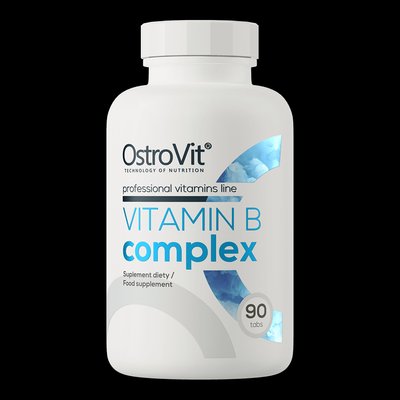 OstroVit Vitamin B Complex€6.90 In stock 90tabs are comprehensive multi-B options also available at maxfit.ee.
FAQ
Can I get enough B12 from plant foods?
No. Reliable B12 is found only in animal products. Some plant foods (certain algae, fermented products, fortified foods) contain B12 analogues, but these are not reliably bioavailable. Vegans need a B12 supplement — this is one of the most well-established dietary recommendations in nutrition science.
Do B vitamins give you energy directly?
No — B vitamins do not provide energy themselves (they have no caloric value). They act as cofactors enabling enzymes to extract energy from carbohydrates, fats, and proteins. Correcting a deficiency can restore normal energy metabolism, which people experience as increased energy. But if you are not deficient, adding more B vitamins will not boost energy above baseline.
How do I know if I am B vitamin deficient?
Symptoms vary by vitamin: fatigue and nerve issues for B12, cracked lips and light sensitivity for B2, depression and dermatitis for B6. Blood tests can measure B12 and folate directly. For other B vitamins, clinical assessment by a healthcare professional is the most reliable approach.
References
Andrews, N. C. (1999). Disorders of iron metabolism. New England Journal of Medicine, 341(26), 1986-1995. https://pubmed.ncbi.nlm.nih.gov/10607817/
Kennedy, D. O. (2016). B vitamins and the brain: mechanisms, dose and efficacy — a review. Nutrients, 8(2), 68. https://pubmed.ncbi.nlm.nih.gov/26828517/



