
Alpha-Lipoic Acid (ALA) for Weight Management: Does It Work?
Alpha-lipoic acid (ALA) is a naturally occurring compound found in every cell of the body, where it functions as a cofactor in mitochondrial energy metabolism. Sold in supplement form — often positioned as an antioxidant and metabolic support agent — it has attracted attention as a potential aid for weight management. But does the evidence hold up?
Proposed Mechanism
Several pathways have been proposed through which ALA might influence body weight. First, ALA activates AMP-activated protein kinase (AMPK) in the hypothalamus, which in animal models has been shown to reduce food intake and body weight (Kim et al., 2004). Second, ALA's antioxidant properties reduce oxidative stress, which is elevated in obesity and may impair insulin signalling. Third, ALA may modestly improve insulin sensitivity, which could theoretically reduce fat storage and improve energy utilization.
These mechanisms are real and well-documented at the cellular level. The question is whether they translate to clinically meaningful weight loss in humans.
Honest Look at the Evidence
A meta-analysis by Kucukgoncu et al. (2017) pooled data from randomised controlled trials and found that ALA supplementation produced a statistically significant reduction in body weight compared to placebo, but the effect was modest (Kucukgoncu et al., 2017). Another systematic review by Akbari et al. (2018) specifically examined obese and overweight participants and found significant reductions in BMI and waist circumference with ALA supplementation (Akbari et al., 2018).
The evidence is consistent: ALA has a real, measurable effect on body weight in clinical settings — but the magnitude is small.
Effect Sizes: What to Realistically Expect
Across the trials reviewed by Kucukgoncu et al. (2017), the mean weight reduction attributable to ALA versus placebo was approximately 1.27 kg. This is statistically meaningful but unlikely to be perceived as transformative by someone hoping for significant weight loss. Most trials used doses of 600–1800 mg daily over 8–24 weeks.
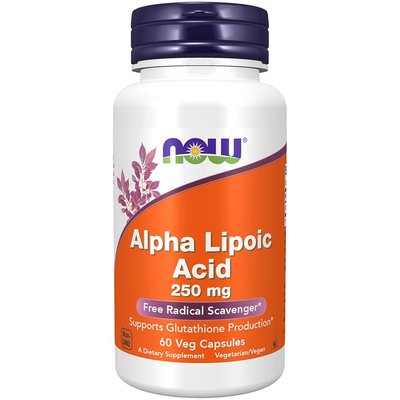 NOW Alpha Lipoic Acid€17.90 In stock 250mg 60 veg caps, NOW Alpha Lipoic Acid 100mg 60 veg caps, and MST Alpha Lipoic Acid 200mg + vitamin C 60caps are available at maxfit.ee/et/category/alfalipoehape-ala — note that most positive-outcome trials used higher total daily doses than a single capsule provides.
Realistic Expectations
ALA is not a fat burner in the traditional supplement sense. It does not significantly increase thermogenesis or dramatically suppress appetite in humans. The weight effect, where present, is likely mediated through modest improvements in insulin sensitivity and slight appetite modulation via hypothalamic AMPK activation.
In the context of an already-controlled diet and regular exercise, ALA might contribute marginally to weight management — particularly in people with insulin resistance or metabolic syndrome, who may derive greater benefit. For a lean, metabolically healthy person, the expected contribution to weight loss is likely negligible.
Better Levers for Weight Management
If weight management is the primary goal, the evidence hierarchy is clear: caloric deficit through diet, combined with resistance or aerobic exercise, far outperforms any supplement. Protein intake (which supports satiety and lean mass retention), sleep quality, and stress management each have stronger independent evidence than ALA for weight outcomes.
ALA is more defensibly supplemented for its antioxidant and nerve-health properties, or as a metabolic support tool in people with insulin resistance — with any weight benefit treated as a bonus rather than the primary rationale.
FAQ
How much alpha-lipoic acid do you need for weight management?
Trials that showed a significant effect used 600–1800 mg per day. Most commercially available ALA capsules contain 100–600 mg, so dose and duration both matter. Effect sizes at any dose are modest.
Is alpha-lipoic acid safe to take long-term?
ALA is generally well tolerated. Side effects at high doses can include nausea and gastrointestinal discomfort. People with thiamine deficiency or certain thyroid conditions should consult a healthcare professional before use.
Does ALA work better with other supplements for weight management?
Some research has combined ALA with L-carnitine or other metabolic agents, but there is no strong evidence that combinations substantially outperform ALA alone for weight loss in humans.
References
Kim, M. S., Park, J. Y., Namkoong, C., Jang, P. G., Ryu, J. W., Song, H. S., Yun, J. Y., Namgoong, I. S., Ha, J., Park, I. S., Lee, I. K., Viollet, B., Youn, J. H., Lee, H. K., & Lee, K. U. (2004). Anti-obesity effects of alpha-lipoic acid mediated by suppression of hypothalamic AMP-activated protein kinase. Nature Medicine, 10(7), 727–733. https://pubmed.ncbi.nlm.nih.gov/15195087/
Kucukgoncu, S., Zhou, E., Lucas, K. B., & Tek, C. (2017). Alpha-lipoic acid (ALA) as a supplementation for weight loss: results from a meta-analysis of randomized controlled trials. Obesity Reviews, 18(5), 594–601. https://pubmed.ncbi.nlm.nih.gov/28295905/
Akbari, M., Ostadmohammadi, V., Lankarani, K. B., Tabrizi, R., Kolahdooz, F., Khatibi, S. R., & Asemi, Z. (2018). The effects of alpha-lipoic acid supplementation on glucose control and lipid profiles among patients with metabolic diseases: a systematic review and meta-analysis of randomized controlled trials. Metabolism, 87, 56–69. https://pubmed.ncbi.nlm.nih.gov/29990473/



