
Why Plant-Based Diets May Fall Short of ALA
Alpha-lipoic acid (ALA) is a sulphur-containing compound that functions as both a coenzyme in mitochondrial energy production and a potent antioxidant capable of recycling vitamins C and E and regenerating glutathione. The body synthesises ALA endogenously, but the amounts produced are small — not sufficient to raise plasma ALA levels meaningfully above baseline (Biewenga et al., 1997).
Dietary ALA is found predominantly in animal tissues rich in mitochondria: organ meats (especially heart and kidney), beef, and to a lesser extent poultry and fish. Plant foods such as spinach, broccoli, and tomatoes contain ALA, but in quantities far smaller than animal sources. For vegans and vegetarians, dietary intake of ALA from food is likely to be substantially lower than for omnivores, and endogenous synthesis does not automatically compensate for this gap.
This does not mean vegans are clinically deficient in ALA — the body's own production is the dominant source for most people. However, the supplemental case is straightforward: for vegans seeking the antioxidant and metabolic support that higher ALA levels can provide, direct supplementation with a vegan-certified product is the practical solution.
Vegan-Friendly Sources of ALA
Supplemental ALA is synthesised chemically and is inherently animal-free in its production process. Most ALA supplements — including 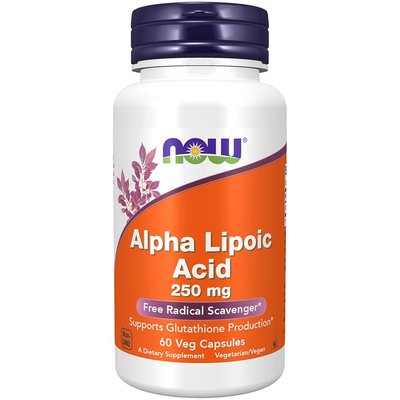 NOW Alpha Lipoic Acid€17.90 In stock 250mg 60 veg caps, NOW Alpha Lipoic Acid 100mg 60 veg caps, and MST Alpha Lipoic Acid 200mg + vitamin C 60caps — are certified for vegetarian or vegan use and use plant-derived or synthetic capsule shells (vegetable cellulose rather than gelatine).
Vegans should check the capsule type on the product label. Softgel (oval) products often use bovine or porcine gelatine; hard shell capsules labelled "veg caps" or "vegetable capsules" are reliably plant-based. The three products listed above are specifically suitable for vegans.
Dose Targets for Vegans
For general antioxidant support, doses of 100–300 mg per day are commonly used in research settings. NOW Alpha Lipoic Acid 100mg 60 veg caps (at 100 mg per day) sits at the lower end of this range, while NOW Alpha Lipoic Acid 250mg 60 veg caps (at 250 mg per day) is within the range most commonly associated with antioxidant and metabolic benefits in clinical trials.
Supplemental ALA comes in two forms: the racemic R/S mixture (most common, less expensive) and the pure R-enantiomer (R-ALA). The R form is the biologically active form that the body naturally produces. R-ALA has been shown to achieve higher peak plasma concentrations per gram of dose compared to the racemic mixture (Carlson et al., 2007), meaning lower absolute doses may produce comparable biological effects.
For vegans concerned specifically about glucose metabolism and insulin sensitivity — areas where ALA has been clinically studied — doses in the 300–600 mg range per day appear most relevant based on published trials.
What to Combine with ALA
ALA works synergistically with several other antioxidants that are also a focus for vegans:
- Vitamin C: Regenerated by ALA; vegan-friendly vitamin C is widely available and complements ALA's antioxidant recycling network. MST Alpha Lipoic Acid 200mg + vitamin C 60caps combines both in one product.
- Vitamin E (tocopherols/tocotrienols): Also regenerated by ALA; vegans who are adequate in vitamin E (easily met through plant oils and nuts) benefit from ALA's ability to reactivate oxidised vitamin E.
- B12 and iron: Not directly linked to ALA, but deficiencies common in vegans can impair mitochondrial function, which is ALA's primary site of action. Addressing B12 and iron status separately creates a better foundation for ALA's effects.
There is no evidence that ALA interferes with the absorption of iron, zinc, or other minerals that vegans commonly monitor — it can be taken alongside a comprehensive vegan supplement stack.
Choosing a Vegan ALA Product
Key factors when choosing ALA as a vegan:
- Capsule type: Confirm "veg caps", "vegetable capsule", or "plant cellulose" on the label — not softgel unless specifically noted as vegan-certified.
- Form (R vs. R/S): R-ALA achieves higher bioavailability per mg. For a given dose, R-ALA may be more cost-effective even if priced higher per capsule.
- Stabilised vs. standard R-ALA: Pure R-ALA can be unstable at higher temperatures and may polymerise, reducing potency. Stabilised or sodium R-ALA forms resist this.
- Combinations: Products pairing ALA with vitamin C (such as MST Alpha Lipoic Acid 200mg + vitamin C 60caps) provide complementary antioxidant support in a single capsule, which suits vegans who prefer minimising the number of separate supplements.
All three products — NOW Alpha Lipoic Acid 250mg 60 veg caps, NOW Alpha Lipoic Acid 100mg 60 veg caps, and MST Alpha Lipoic Acid 200mg + vitamin C 60caps — are available at maxfit.ee.
See the full alpha-lipoic acid supplement range at MaxFit.
References
Biewenga, G. P., Haenen, G. R., & Bast, A. (1997). The pharmacology of the antioxidant lipoic acid. General Pharmacology, 29(3), 315–331. https://pubmed.ncbi.nlm.nih.gov/9378235/
Carlson, D. A., Smith, A. R., Fischer, S. J., Young, K. L., & Packer, L. (2007). The plasma pharmacokinetics of R-(+)-lipoic acid administered as sodium R-(+)-lipoate to healthy human subjects. Alternative Medicine Review, 12(4), 343–351. https://pubmed.ncbi.nlm.nih.gov/18069903/
Ziegler, D., Nowak, H., Kempler, P., Vargha, P., & Low, P. A. (2004). Treatment of symptomatic diabetic polyneuropathy with the antioxidant alpha-lipoic acid: a meta-analysis. Diabetic Medicine, 21(2), 114–121. https://pubmed.ncbi.nlm.nih.gov/14984445/
FAQ
Do vegans need ALA supplements if the body makes its own?
The body does synthesise ALA endogenously, but the amounts are small and primarily directed toward mitochondrial function rather than raising systemic antioxidant pools. Vegans with lower dietary intake of ALA from animal foods may benefit from supplementation to access the levels associated with antioxidant and metabolic support in clinical research.
Is there a time of day that is best for taking ALA?
ALA is best absorbed on an empty stomach or with a light meal. It is short-acting — peak plasma levels are typically reached within one to two hours and decline rapidly. Some protocols split the daily dose into two portions (morning and afternoon) to maintain more consistent plasma levels throughout the day.
Can ALA supplements be taken long-term by vegans?
Yes — ALA supplementation at typical doses (100–600 mg per day) is well studied and considered safe for long-term use in healthy adults. There are no known contraindications specific to vegan or vegetarian status. As with any supplement taken continuously, periodic review is sensible.



