
Is Long-Term Alpha-Lipoic Acid (ALA) Use Safe?
Alpha-lipoic acid (ALA) is a naturally occurring compound that functions as a cofactor in mitochondrial energy metabolism. Sold as a supplement for its antioxidant properties, ALA has attracted attention for blood sugar support, nerve health, and anti-ageing applications. But as interest in chronic supplementation grows, so does the question: is long-term ALA use actually safe?
What Long-Term Studies Show
Most clinical trials on ALA have run for 3 to 6 months, with a smaller number extending to 2 years. A 2-year randomised controlled trial in patients with mild cognitive impairment found that ALA was well tolerated with no serious adverse events reported (Hager et al., 2007). A meta-analysis of trials lasting up to 6 months found that ALA supplementation was associated with reductions in fasting blood glucose and insulin resistance markers, with a favourable safety profile across the included studies (Akbari et al., 2018).
Serious harm from ALA at standard doses appears uncommon in the published literature. The most frequently reported side effects are gastrointestinal: nausea, stomach discomfort, and occasionally skin rashes. These are generally mild and dose-dependent.
Upper Safe Limits Over Time
No formal tolerable upper intake level has been established by European or US regulatory bodies for ALA, because the evidence base is insufficient to define one. Doses used in research range widely. Studies in neurological conditions have used higher amounts over shorter periods, while long-term trials typically stay in a more conservative range. Gastrointestinal side effects become more common as doses increase, and some researchers recommend taking ALA with food to reduce gastric irritation.
If you are considering long-term use, staying within ranges studied in published trials and monitoring how your body responds is a practical approach. Available at maxfit.ee, products such as 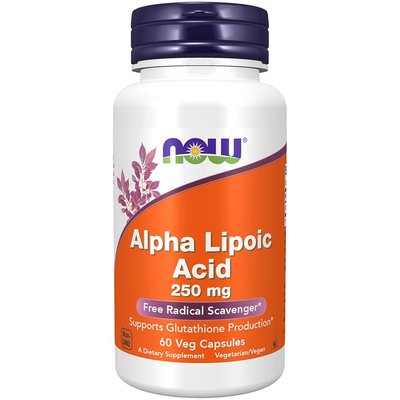 NOW Alpha Lipoic Acid€17.90 In stock 250mg 60 veg caps, NOW Alpha Lipoic Acid 100mg 60 veg caps, and MST Alpha Lipoic Acid 200mg + vitamin C 60caps offer doses that align with amounts studied in shorter-term clinical research.
Do You Need to Cycle?
The concept of cycling ALA - taking it for several weeks then pausing - is sometimes discussed in fitness communities, but there is no clinical evidence that cycling is necessary or that continuous use leads to tolerance or diminishing returns. ALA does not appear to downregulate its own metabolic pathways over time in the way that some stimulants do.
That said, the absence of long-term safety data beyond 2 years means we cannot confidently say that indefinite supplementation is without risk. A conservative approach involves periodic re-evaluation of whether the supplement is still meeting your goals.
Monitoring During Long-Term Use
If you take ALA continuously, a few monitoring considerations are worth knowing:
- Blood sugar: ALA may enhance insulin sensitivity (Akbari et al., 2018). If you take medications for diabetes or blood sugar management, regular monitoring and discussion with your doctor is important.
- Thyroid function: There is some preclinical evidence suggesting very high doses of ALA may interact with thyroid hormone metabolism, though this has not been consistently demonstrated in human trials at normal supplemental doses.
- Biotin status: ALA and biotin share transport mechanisms. Very high-dose ALA use over long periods theoretically could affect biotin availability, though this is considered a minor concern at typical supplemental doses.
Honest Verdict
For most healthy adults using ALA at doses studied in clinical trials, available evidence supports a reasonable short-to-medium-term safety profile. Long-term data beyond 2 years is limited, which means absolute certainty about indefinite use cannot be offered. Side effects are generally mild and gastrointestinal. Cycling is not backed by evidence as a requirement. If you have diabetes, thyroid conditions, or take medications, speak with a healthcare professional before starting long-term supplementation.
Browse the alfa-lipoehape (ALA) category at maxfit.ee to find products that match your dosing preference.
FAQ
Can I take alpha-lipoic acid (ALA) every day for years?
Clinical trials up to 2 years have found ALA to be well tolerated at study doses. Data beyond 2 years is limited, so whether truly indefinite daily use is risk-free remains unknown. Periodic assessment of whether you still need the supplement is sensible.
Does alpha-lipoic acid (ALA) cause any serious side effects?
Serious adverse effects are rarely reported in clinical studies. The most common side effects are mild gastrointestinal issues such as nausea and stomach discomfort, particularly at higher doses. Taking ALA with food can reduce these effects.
Should I cycle off alpha-lipoic acid (ALA) periodically?
There is no clinical evidence that cycling is required. ALA does not appear to cause tolerance in the way stimulants can. However, if you are using it long-term, periodic reassessment of your goals and ongoing need is a reasonable practice.
References
Hager, K., Marahrens, A., Kenklies, M., Riederer, P., & Munch, G. (2007). Alpha-lipoic acid as a new treatment option for Alzheimer type dementia. Archives of Gerontology and Geriatrics, 45(3), 302-310.
Akbari, M., Ostadmohammadi, V., Tabrizi, R., Lankarani, K. B., Esmaillzadeh, A., Nematollahi, P., & Asemi, Z. (2018). The effects of alpha-lipoic acid supplementation on glucose control and lipid profiles among patients with metabolic diseases: a systematic review and meta-analysis of randomized controlled trials. Metabolism, 87, 56-69. https://pubmed.ncbi.nlm.nih.gov/29990473/



