Alpha-Lipoic Acid (ALA) and Immune Support: Evidence Review
Alpha-lipoic acid (ALA) is a naturally occurring organosulfur compound that functions as both a coenzyme in mitochondrial energy metabolism and a potent antioxidant. It is unique among antioxidants in being both fat-soluble and water-soluble, allowing it to operate in virtually all cellular compartments. Its relevance to immune function flows from several converging mechanisms, making it an interesting supplement for people seeking broad antioxidant support.
Note: "ALA" is used here for alpha-lipoic acid, not to be confused with alpha-linolenic acid, the omega-3 fatty acid that shares the same abbreviation in some nutrition contexts.
The Immune Mechanism
ALA supports immune function through multiple pathways:
Antioxidant activity and glutathione recycling. ALA is directly antioxidant and also recycles other antioxidants, including vitamins C and E and, crucially, glutathione. Glutathione is the cell's primary intracellular antioxidant and is essential for healthy lymphocyte (immune cell) function. Immune cells under oxidative stress lose functional capacity; ALA supplementation has been shown to increase intracellular glutathione levels in several human studies (Bustamante et al., 1998).
NF-kB modulation. ALA inhibits NF-kB, a key regulatory protein that controls the expression of multiple pro-inflammatory genes. By dampening excessive NF-kB activation, ALA can help temper runaway inflammatory responses while still allowing necessary immune signalling.
T-cell function. Preliminary in vitro and animal research suggests ALA may support T-cell proliferation and cytokine production, though rigorous human RCT data on these specific immune cell effects are limited.
Infection and Illness Evidence
Direct evidence that ALA reduces infection rates or shortens illness duration in otherwise healthy people is limited. Most human clinical research on ALA has focused on metabolic conditions, particularly diabetic neuropathy, where ALA's antioxidant and neuroprotective effects are better established.
For immune support specifically, the most relevant human data come from studies in populations under elevated oxidative stress -- older adults, people with metabolic syndrome, or those undergoing intensive physical training. A trial by Marangon et al. (1999) found that ALA supplementation at 600 mg per day in healthy volunteers significantly increased plasma antioxidant capacity over 4 weeks. Improved antioxidant status is considered a supporting factor for immune resilience, though it is not the same as directly demonstrated infection reduction.
A systematic review by Golbidi et al. (2011) summarised the evidence for ALA in various conditions and noted that its anti-inflammatory and antioxidant properties were consistently demonstrated across human studies, but translation to clinical immune outcomes remains an open research question.
Who Benefits Most
ALA supplementation for immune-adjacent purposes is most relevant for:
- Older adults, in whom ALA's ability to regenerate glutathione may partially compensate for the age-related decline in intracellular antioxidant capacity
- People under high physical training loads, where oxidative stress from intense exercise is a recognised factor affecting immune competence
- Individuals with metabolic syndrome or type 2 diabetes, where oxidative stress burden is elevated and ALA has the strongest clinical evidence base
- Those seeking to complement, rather than replace, foundational immune-support strategies (adequate sleep, a varied diet, regular moderate exercise)
ALA is less likely to produce noticeable immune effects in young, healthy people with a nutritious diet and no elevated oxidative stress.
Dose and Safety
Clinical doses in research range from 300 mg to 1200 mg per day. The most commonly used dose in metabolic studies is 600 mg per day. A trial by Yadav et al. (2005) studied ALA at 1200 mg per day in patients with multiple sclerosis (an immune-mediated condition) over 2 weeks and found reductions in certain matrix metalloproteinases, suggesting modulatory effects on immune-related pathways.
ALA is generally well tolerated. Mild nausea is the most common side effect, particularly on an empty stomach. At higher doses (above 1200 mg), there is an increased risk of hypoglycaemia in people taking antidiabetic medications, as ALA can enhance insulin sensitivity.
At maxfit.ee, 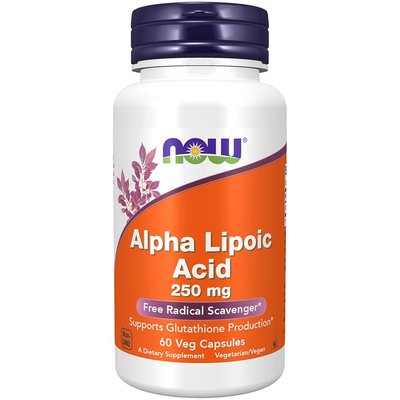 NOW Alpha Lipoic Acid€17.90 In stock 250mg 60 veg caps and NOW Alpha Lipoic Acid 100mg 60 veg caps are vegan-suitable options with standardised ALA content. MST Alpha Lipoic Acid 200mg + vitamin C 60caps pairs ALA with vitamin C for complementary antioxidant support. Browse the full range in the alfalipoehape-ala category.
Honest Verdict
Alpha-lipoic acid has genuine mechanistic support for immune-relevant antioxidant and anti-inflammatory activity. It is not, however, a proven anti-infective supplement in healthy populations -- the leap from "reduces oxidative stress" to "fewer colds" has not been cleanly demonstrated in RCTs. ALA is most defensible as a broad antioxidant support agent for people with elevated oxidative burden. For general immune health, it is best used alongside, not instead of, fundamentals like balanced nutrition, adequate vitamin D, and regular moderate exercise.
References
- Bustamante, J., Lodge, J. K., Marcocci, L., Tritschler, H. J., Packer, L., & Rihn, B. H. (1998). Alpha-lipoic acid in liver metabolism and disease. Free Radical Biology and Medicine, 24(6), 1023-1039. https://pubmed.ncbi.nlm.nih.gov/9607614/
- Golbidi, S., Badran, M., & Laher, I. (2011). Diabetes and alpha lipoic acid. Frontiers in Pharmacology, 2, 69. https://pubmed.ncbi.nlm.nih.gov/22125537/
- Marangon, K., Devaraj, S., Tirosh, O., Packer, L., & Jialal, I. (1999). Comparison of the effect of alpha-lipoic acid and alpha-tocopherol supplementation on measures of oxidative stress. Free Radical Biology and Medicine, 27(9-10), 1114-1121. https://pubmed.ncbi.nlm.nih.gov/10569644/
- Yadav, V., Marracci, G., Lovera, J., Woodward, W., Bogardus, K., Marquardt, W., ... & Bourdette, D. (2005). Lipoic acid in multiple sclerosis: a pilot study. Multiple Sclerosis Journal, 11(2), 159-165. https://pubmed.ncbi.nlm.nih.gov/15794388/
FAQ
Is alpha-lipoic acid the same as ALA omega-3?
No. Alpha-lipoic acid (ALA) and alpha-linolenic acid (also abbreviated ALA) are completely different compounds. Alpha-lipoic acid is an organosulfur antioxidant; alpha-linolenic acid is a plant-based omega-3 fatty acid found in flaxseed and walnuts. The shared abbreviation causes frequent confusion.
Can ALA replace vitamin C or vitamin E as an antioxidant?
ALA complements rather than replaces these vitamins. It works in different cellular compartments and can actually recycle vitamins C and E after they have neutralised free radicals, which is why ALA is sometimes described as a "network antioxidant".
Should ALA be taken with food?
Yes. ALA taken on an empty stomach is more likely to cause nausea. Taking it with a meal also moderately slows absorption, which may reduce the risk of hypoglycaemia for people sensitive to blood-sugar effects.



