Alpha-Lipoic Acid (ALA) for Women: Benefits & Considerations
Alpha-lipoic acid (ALA) is a naturally occurring compound that functions both as a coenzyme in mitochondrial energy metabolism and as a potent antioxidant. Unlike many antioxidants that work in either fat-soluble or water-soluble environments, ALA is active in both — a property that makes it particularly versatile in biological tissue. While ALA benefits are broadly applicable, several considerations make it especially relevant for women.
Why Women May Benefit from ALA
ALA plays a central role in the pyruvate dehydrogenase complex — a key step in converting carbohydrate calories into cellular energy (ATP). Suboptimal mitochondrial function, which is associated with fatigue, poor exercise recovery, and difficulty managing blood glucose, is a common complaint that ALA's metabolic role addresses directly.
For women specifically, ALA's antioxidant properties intersect with two areas of particular relevance:
-
Oxidative stress and ageing skin: free radicals contribute to collagen degradation and loss of skin elasticity. ALA's dual-phase antioxidant action — combined with its ability to regenerate other antioxidants including vitamins C and E and glutathione — may help slow this process.
-
Insulin sensitivity: several randomised controlled trials have examined ALA's effect on insulin sensitivity, including in women with polycystic ovary syndrome (PCOS). A meta-analysis found that ALA supplementation was associated with improved insulin sensitivity markers in women with metabolic dysregulation (Lai et al., 2022).
Hormonal and Life-Stage Notes
Perimenopause and menopause: declining oestrogen increases oxidative stress and shifts metabolic function. ALA's role in mitochondrial energy pathways and antioxidant recycling may be particularly relevant during these transitions, though direct large-scale trials in menopausal women are limited.
PCOS: given the insulin-resistance component of PCOS, ALA's effect on glucose uptake pathways is a plausible mechanism for benefit. Research in this area is growing but not yet conclusive; ALA should be considered a complement to, not a replacement for, first-line management.
Active women: oxidative stress increases with exercise intensity. ALA may support recovery by recycling glutathione and vitamins C and E depleted during intense training — though excessively high antioxidant supplementation during training may blunt some adaptive signals, so moderation is advisable.
Dose Considerations
Studies examining metabolic effects in women have typically used doses ranging from 300 mg to 600 mg per day of racemic ALA (R/S-ALA). The R-isomer is the biologically active form and is more potent per milligram, so products standardised to R-ALA may allow lower effective doses.
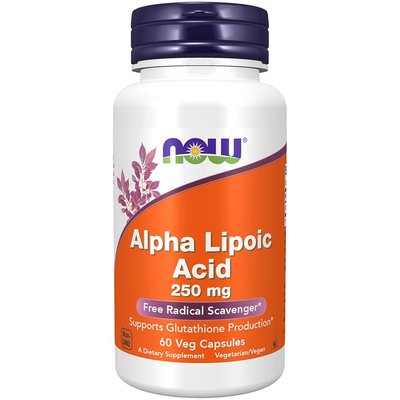 NOW Alpha Lipoic Acid€17.90 In stock 250mg 60 veg caps and NOW Alpha Lipoic Acid 100mg 60 veg caps offer options at different dose levels available at maxfit.ee. MST Alpha Lipoic Acid 200mg + vitamin C 60caps combines ALA with vitamin C, which may enhance antioxidant network synergy.
ALA is best absorbed on an empty stomach or with a light, low-fat meal. Unlike many fat-soluble supplements, ALA absorption is not enhanced by fat and may actually be reduced by a heavy meal (Hermann et al., 1996).
Pregnancy and Safety Notes
ALA has not been adequately studied in pregnant or breastfeeding women. Given the absence of safety data in this population, supplemental ALA is generally avoided during pregnancy unless specifically directed by a healthcare provider. Women planning pregnancy should consult their doctor before beginning ALA supplementation.
At typical supplement doses, ALA is well tolerated by most adults. At high doses, gastrointestinal symptoms (nausea, stomach upset) are the most commonly reported side effects. ALA may also have a mild blood-glucose-lowering effect, which is relevant for women managing diabetes or taking blood-glucose-affecting medications.
Bottom Line
ALA is a well-researched antioxidant with a genuine mechanistic rationale for several areas relevant to women's health — insulin sensitivity, skin antioxidant defence, and mitochondrial energy support. The evidence is strongest for metabolic dysregulation and PCOS-related insulin resistance. For general antioxidant support, the case is mechanistically sound but less specifically proven in large female cohort trials.
For most women, a standard 300–600 mg daily dose, taken on an empty stomach in the morning, is a practical starting point. As always, consult a healthcare provider if you have an underlying condition, are on medication, or are pregnant.
Explore alpha-lipoic acid supplements at maxfit.ee.
References
Lai, Y., Chen, Y., Ma, M., et al. (2022). Effects of alpha-lipoic acid supplementation on glucose metabolism and insulin sensitivity in patients with insulin resistance or diabetes: a meta-analysis. Journal of Diabetes, 14(4), 265-277.
Hermann, R., Niebch, G., Borbe, H. O., et al. (1996). Enantioselective pharmacokinetics and bioavailability of different racemic alpha-lipoic acid formulations in healthy volunteers. European Journal of Pharmaceutical Sciences, 4(3), 167-174.
Evans, J. L., & Goldfine, I. D. (2000). Alpha-lipoic acid: a multifunctional antioxidant that improves insulin sensitivity in patients with type 2 diabetes. Diabetes Technology & Therapeutics, 2(3), 401-413. https://pubmed.ncbi.nlm.nih.gov/11467343/
FAQ
Is alpha-lipoic acid safe for women to take long-term?
At typical supplement doses (100–600 mg per day), ALA is generally well tolerated for extended periods in healthy adults. Side effects at standard doses are uncommon and mainly gastrointestinal. Women on diabetes medications or blood-pressure drugs should check with their doctor, as ALA may have mild blood-glucose and blood-pressure effects.
Does ALA help with PCOS?
The research is encouraging but not conclusive. Several trials have found that ALA supplementation improved insulin sensitivity markers in women with PCOS, which is relevant given the insulin-resistance component of the condition. ALA should be viewed as a supportive supplement, not a treatment, and used alongside guidance from a healthcare provider.
Should I take ALA with or without food?
Unlike most fat-soluble supplements, ALA absorption is not improved by fat and can actually be reduced by a large meal. For optimal absorption, take ALA on an empty stomach or with a light snack, not with a heavy fat-containing meal.



