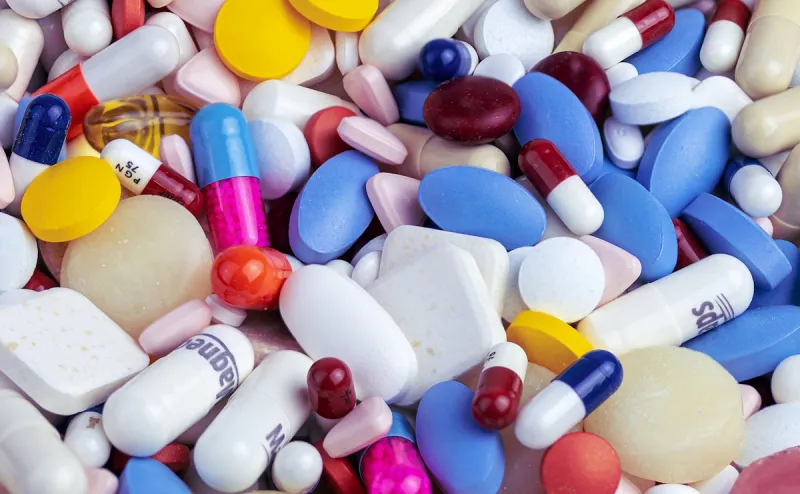
Third-Party Testing: Transparency as Market Differentiator
When you buy a supplement, you trust the manufacturer's claims on the packaging. But how can you be certain that what is inside the bottle actually matches the label? And that nothing is in there that should not be? The answer is third-party testing — quality confirmed by an independent laboratory.
The Problem: A Trust Gap
Supplements are not pharmaceuticals. In most countries, supplements do not need to be registered the same way as drugs before going to market. This means:
- Manufacturers themselves are responsible for product quality
- Government inspections are infrequent and selective
- Consumers must largely trust the manufacturer's word
Multiple studies have revealed problems. The US Government Accountability Office (GAO, 2010) found that some supplements contained undeclared ingredients. ConsumerLab.com's regular tests show that approximately 20–25% of tested products do not fully match their labels (Tucker et al., 2018; Cohen, 2014).
This does not mean most products are bad — but it does mean a third-party certification provides real added value.
Major Certifications
NSF International
What it is: An international independent organization dedicated to public health protection.
What they test:
- Label accuracy — does the product contain what is claimed
- Contaminant screening — heavy metals, pesticides, microbes
- GMP (Good Manufacturing Practice) audit — production process control
NSF Certified for Sport is a specialized program for athletes that also tests for banned substances. It is recognized by the NFL, MLB, and NHL.
Cost to manufacturer: $3,000–8,000 per product + annual fee
Informed Sport
What it is: A UK-based testing program, especially prevalent in sports nutrition.
What they test:
- WADA (World Anti-Doping Agency) banned substance screening
- Every batch tested before sale
- Manufacturing facility audit
Why it matters: Olympic and professional athletes risk their careers if their supplement contains a banned substance. The Informed Sport logo is critically important to them.
Cost to manufacturer: $2,000–6,000 per product
BSCG (Banned Substances Control Group)
What it is: A US-based testing laboratory focused on banned substances.
What they test:
- Screening for over 700 banned substances
- The most rigorous banned substance test on the market
- Regular follow-up testing
Cost to manufacturer: $5,000–10,000 per product
USP (United States Pharmacopeia)
What it is: The US Pharmacopeial Convention, an organization over 200 years old.
What they test:
- Composition verification
- Purity testing
- Bioavailability assessment
- Dissolution testing
The USP Verified mark is especially recognized in the US but also influences the European market.
What Testing Specifically Covers
Third-party testing typically consists of three pillars:
1. Label accuracy
- Does the nutrient content match what the label claims?
- Are active ingredients in the correct form?
- Is dosing accurate?
2. Contaminant screening
- Heavy metals (lead, cadmium, arsenic, mercury)
- Pesticides and herbicides
- Microbial contamination (mold, bacteria)
- Banned substances (doping agents)
3. Manufacturing process audit
- GMP (Good Manufacturing Practice) compliance
- Cross-contamination prevention
- Traceability — from raw material to finished product
- Shelf-life testing
The Numbers: Trust Impact
According to industry data:
- Brands with third-party certification achieve 20–30% higher consumer trust scores
- Certified products receive 15–20% more repeat purchases
- NCAA and Olympic athletes require certified products — this opens entire market segments
- Social media awareness of quality issues is growing, driving demand for certification
Where to Find Information as an Athlete
If you are an athlete who must avoid banned substances:
- Informed Sport database (informed-sport.com) — search for certified products
- NSF Certified for Sport (nsfsport.com) — search for athlete-tested products
- BSCG database (bscg.org) — the most rigorous banned substance screening
The European Context
In Europe, supplement regulation is stricter than in the US:
- EFSA regulates health claims
- EU food safety regulations apply
- Novel Food regulation restricts new ingredients from entering the market
However, EU regulation does not require third-party testing. It is voluntary and differentiating. Manufacturers who invest in testing do so for competitive advantage.
Practical Guide for Consumers
- Look for certification logos on packaging — NSF, Informed Sport, BSCG, USP
- Verify in databases — certifications are verifiable on the organizations' websites
- Prefer brands that publish test results
- Be cautious of claims not supported by certification
- For athletes: always use WADA-screened products
Future Directions
- Blockchain traceability — some brands use blockchain technology to track raw materials from producer to consumer
- Real-time testing — rapid tests are becoming cheaper
- Consumer-initiated testing — community-based testing projects
- Regulatory pressure — the EU is considering stricter requirements
Summary
- Third-party testing covers: label accuracy, contaminant screening, and manufacturing process audits
- Major certifications: NSF International, Informed Sport, BSCG, USP
- Cost to manufacturer: $2,000–10,000 per product
- Certified brands achieve 20–30% higher consumer trust
- NCAA and Olympic athletes require certified products
- Look for certification logos and verify in databases
Dietary supplements are not a substitute for a varied, balanced diet and healthy lifestyle.
References
- Cohen, P.A. (2014). Hazards of hindsight — monitoring the safety of nutritional supplements. New England Journal of Medicine, 370(14), 1277–1280.
- United States Government Accountability Office (GAO). (2010). Herbal Dietary Supplements: Examples of Deceptive or Questionable Marketing Practices and Potentially Dangerous Advice. GAO-10-662T.
- Tucker, J. et al. (2018). Unapproved pharmaceutical ingredients included in dietary supplements associated with US Food and Drug Administration warnings. JAMA Network Open, 1(6), e183337.
- Mathews, N.M. (2018). Prohibited contaminants in dietary supplements. Sports Health, 10(1), 19–30.
Browse our supplement selection at MaxFit.ee