The Protein Bar Is No Longer Candy in Disguise
Shop this category — in stock now
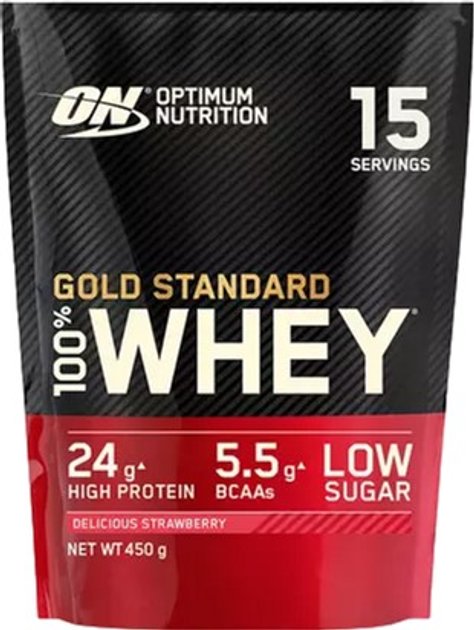
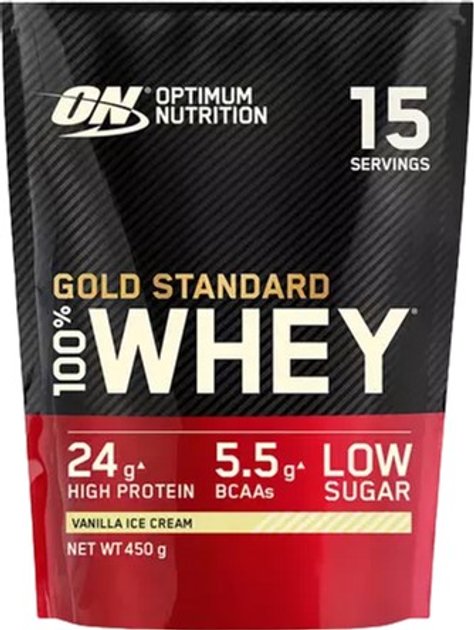
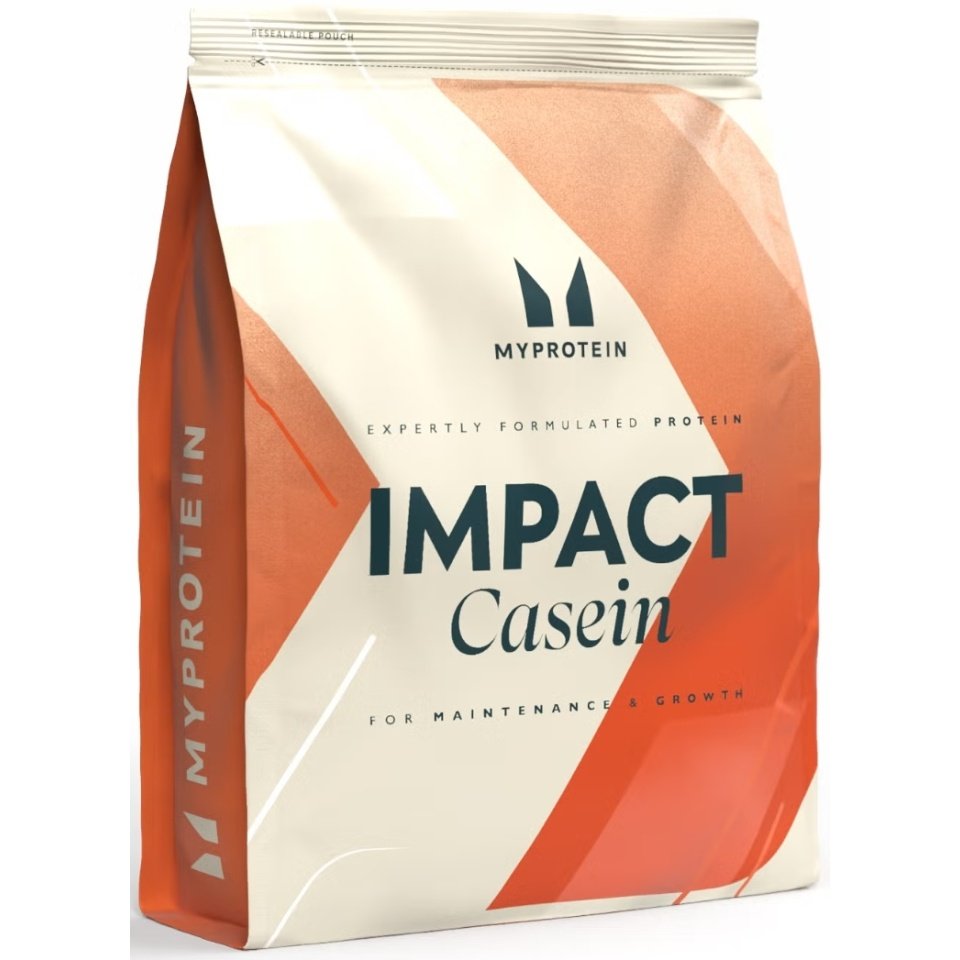
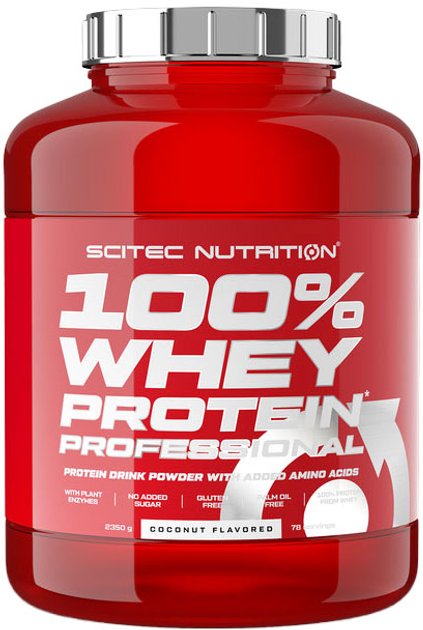
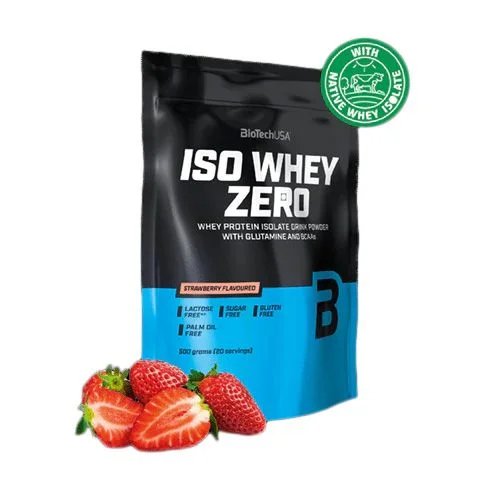
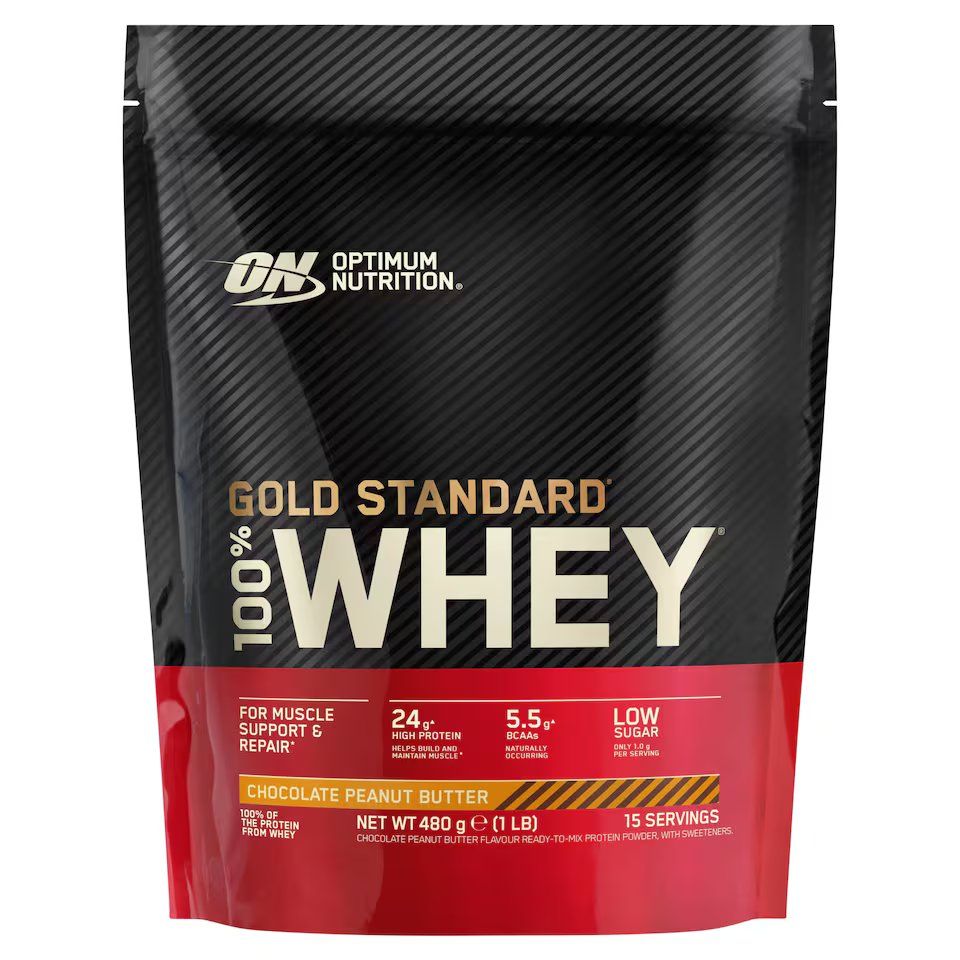
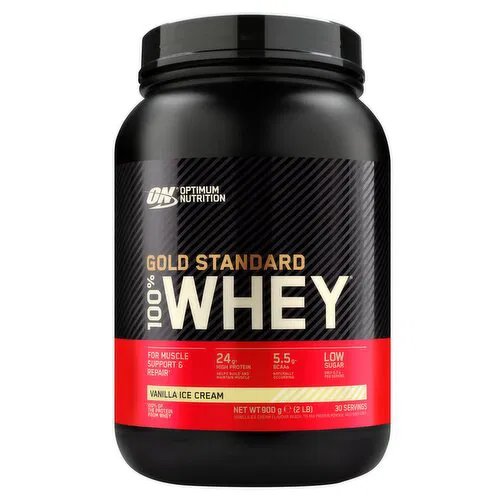
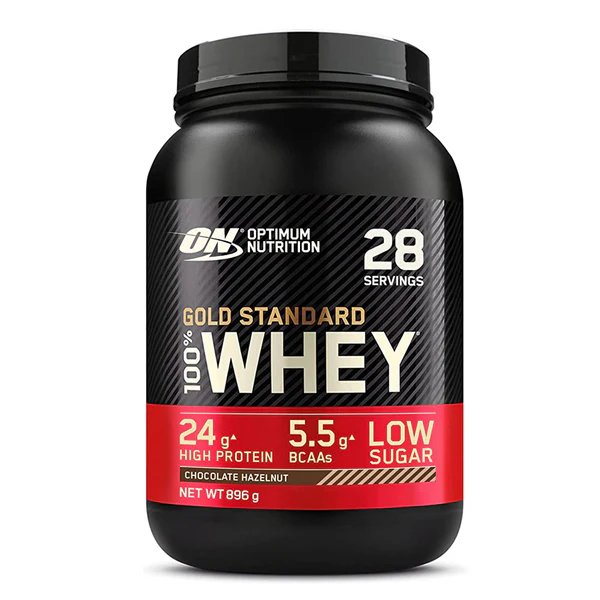
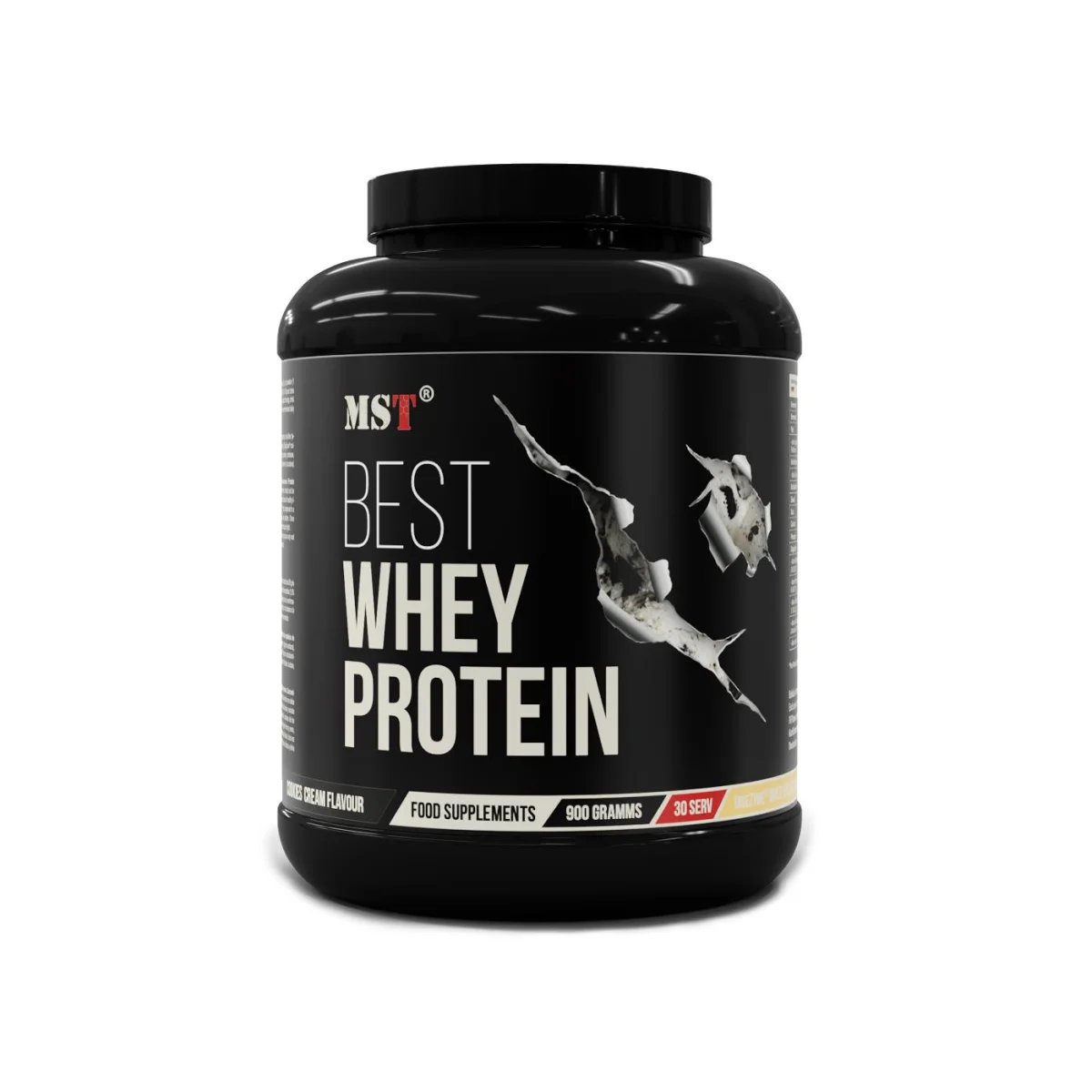
When you think of the protein bar market, many products that come to mind resemble candy bars — full of sugar alcohols, artificial flavors, and endless E-numbers. That era is ending.
Europe's protein bar market reached EUR 2.3 billion in 2024, and the growth is driven by a clear trend: consumers demand better ingredients. Manufacturers are responding with extensive reformulations.
What Does Reformulation Mean?
Reformulation is not simply swapping one ingredient for another. It is a systematic change in how protein bars are designed:
1. Sugar Reduction
New-generation bars often contain under 5 g of added sugar per serving. For comparison, many earlier products contained 15–25 g of sugar.
Instead of sugar, manufacturers use:
- Allulose: Low-calorie natural sugar
- Stevia: Plant-based zero-calorie sweetener
- Monk fruit extract: Natural alternative
- Dates and figs: Natural sweetness with fiber
2. Replacing Sugar Alcohols
Sugar alcohols (maltitol, sorbitol) have long been standard protein bar ingredients, but their gastrointestinal side effects are well documented. Reformulated products are moving away from them:
- Erythritol: Better tolerated, though facing regulatory scrutiny
- Fiber-based solutions: Polydextrose, oligofructose
- Real food ingredients: Oats, nut butters, dried fruits
3. Shorter Ingredient Lists
"Clean label" is at the heart of consumer demands. Reformulated bars aim for:
- Under 10 ingredients ideally
- Recognizable ingredients: Nuts, seeds, oats, protein powder
- No artificial additives: No preservatives, no artificial colorings
4. Real Food Ingredients
The biggest shift is the adoption of real food ingredients:
- Nut butters: Almond butter, peanut butter as protein and healthy fat sources
- Oats: Slow-release carbohydrate for energy
- Dried fruits: Natural sweetness and fiber
- Seed mixes: Chia, flax, sunflower
- Dark chocolate: Antioxidant-rich coating
Functional Additions: Bars That Do More
The 2025 trend is protein bars that offer more than just protein:
Probiotics
- Gut flora-supporting strains (Bacillus coagulans)
- Heat-resistant for shelf stability
Fiber
- 5–8 g of fiber per serving
- Prebiotic function
Adaptogens
- Ashwagandha for stress management
- Cordyceps for energy support
- Reishi for immune support
Collagen
- Joint and skin support
- Often combined with whey protein
European Regulatory Context
EU regulations strongly influence reformulation:
- Nutrition and health claims: Governed by EU Regulation 1924/2006
- "High protein" claim: At least 20% of energy must come from protein
- "Reduced sugar": Must contain at least 30% less sugar than the reference product
- Artificial coloring restrictions: Certain colorings require warning labels
These regulations have actually accelerated reformulation — manufacturers must innovate to meet requirements while satisfying consumer expectations.
How to Choose a Quality Protein Bar
Regardless of trends, here are science-based criteria:
| Criterion | Good Choice | Avoid |
|---|---|---|
| Protein | 15–25 g per serving | Under 10 g |
| Added sugar | <5 g | >15 g |
| Fiber | >3 g | <1 g |
| Ingredients | <15, recognizable | >20, unfamiliar |
| Calories | 200–300 kcal | >400 kcal |
| Protein source | Whey, milk protein | Collagen only |
Estonian Market Development
Estonia follows the Nordic trend where health-conscious consumers demand higher-quality products. The protein bar selection in local and online stores has expanded, now including reformulated products from major international brands.
Consumer awareness of ingredients is growing — more people read labels and make informed choices.
Key Takeaways
- Sugar is dropping: New bars often contain under 5 g added sugar
- Ingredients are simplifying: Shorter lists, recognizable foods
- Functionality is growing: Probiotics, fiber, adaptogens
- Market is expanding: European market at EUR 2.3 billion in 2024
- Regulations accelerate change: EU requirements drive innovation
- Consumer wins: Better selection than ever before
Dietary supplements are not a substitute for a varied, balanced diet and healthy lifestyle.
References:
- Euromonitor International, 2024. Sports Nutrition in Western Europe: Market Report.
- European Commission Regulation (EC) No 1924/2006 on nutrition and health claims.
- Mordor Intelligence, 2024. Europe Protein Bar Market — Growth, Trends, and Forecasts.
Browse our protein bar selection →
Read more: Updated Protein Intake Guidelines → | Plant Protein Quality in 2025 →