Inulin — Prebiotic for Digestion & Gut Health
Inulin — Prebiotic for Digestion & Gut Health
What is inulin and how does it support digestion?
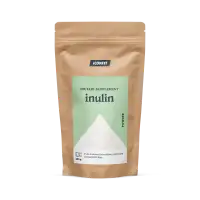
Inulin is a natural prebiotic — a soluble fiber that is not digested in the small intestine but reaches the large intestine, where it feeds beneficial gut bacteria (especially bifidobacteria and lactobacilli). Inulin is naturally found in chicory root, Jerusalem artichoke, garlic, and onions. As a supplement, inulin helps improve gut microbiota balance, promote regular digestion, and strengthen the immune system.
Frequently asked questions about inulin
Inulin is a prebiotic, meaning food for beneficial gut bacteria, while probiotics are the live bacterial cultures themselves. Inulin promotes the growth and multiplication of good bacteria already present in your body. The best results come from using them together — inulin feeds probiotics, making them more effective.
The recommended dose is 5-10 g per day. Start with 2-3 grams and increase gradually over 1-2 weeks to avoid gas and bloating. Inulin powder can be mixed into yogurt, smoothies, coffee, or other foods. Excessive intake (over 20 g) may cause digestive discomfort.
Inulin supports weight management indirectly by increasing feelings of fullness and slowing digestion. As a soluble fiber, it forms a gel in the stomach that prolongs satiety. Additionally, inulin improves insulin sensitivity and promotes the growth of healthy gut bacteria associated with healthy body weight.
Inulin is safe for most people, but those with irritable bowel syndrome (IBS) should be cautious as inulin is a FODMAP fiber that may worsen symptoms. People allergic to chicory should avoid inulin. Always start with a small dose and monitor your body's reaction.