What is collagen and why do its levels decline?
Collagen is the body's most abundant protein — it makes up about 30% of total body protein. It is the primary structural component of skin, bones, tendons, ligaments, cartilage, and blood vessels.
After age 25, the body's collagen production begins declining by about 1-1.5% per year. By age 50, collagen production has dropped by approximately 25-30%.
Signs of collagen loss:
- Wrinkles and decreased skin elasticity
- Joint pain and stiffness
- Weakened hair and nails
- Decreased bone mass
- Weakened tendons and ligaments
Which collagen types matter?
Shop this category — in stock now


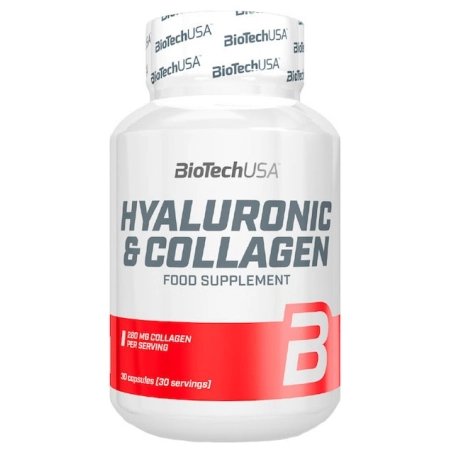
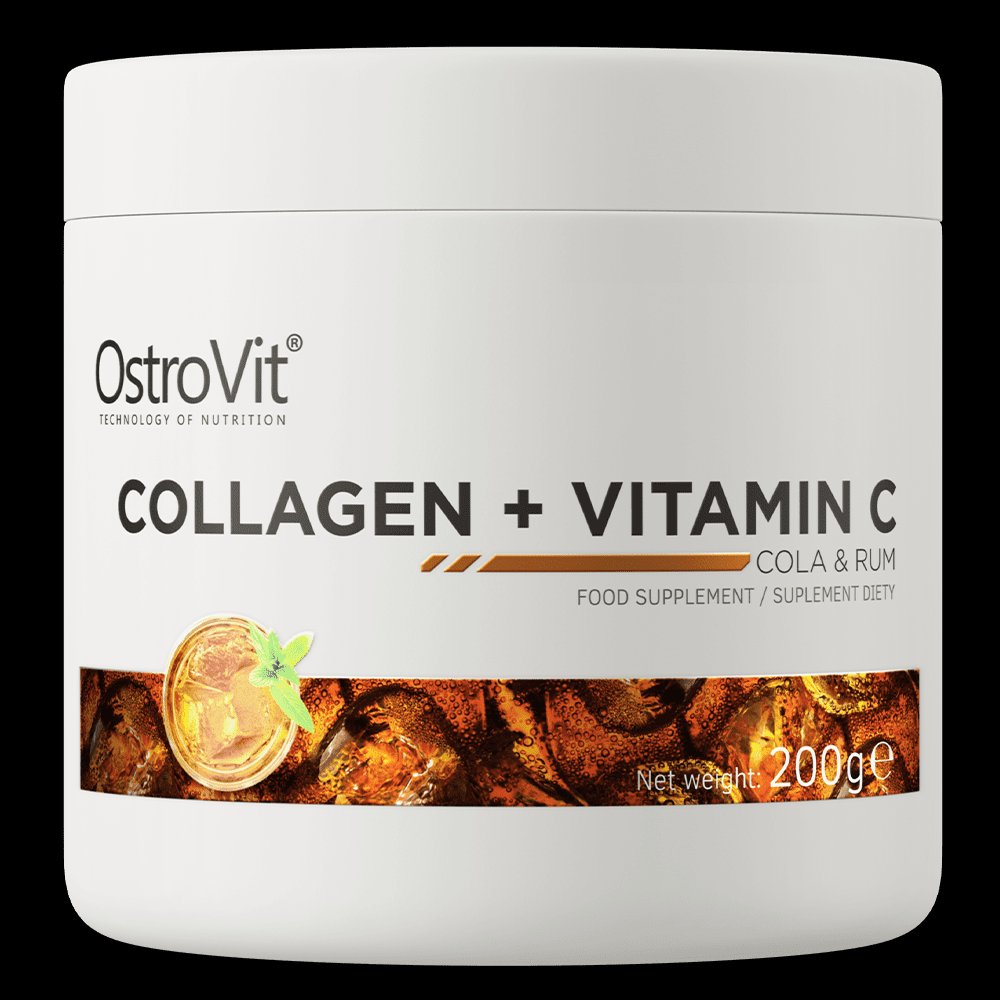

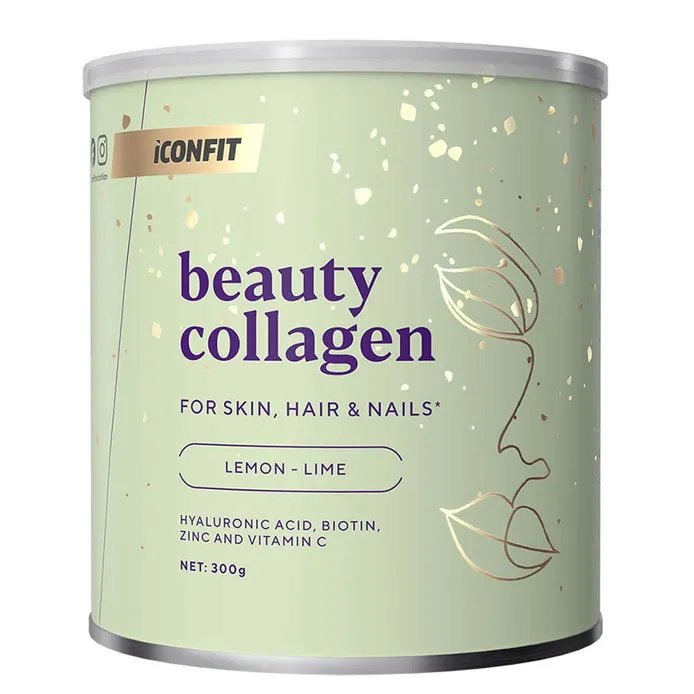
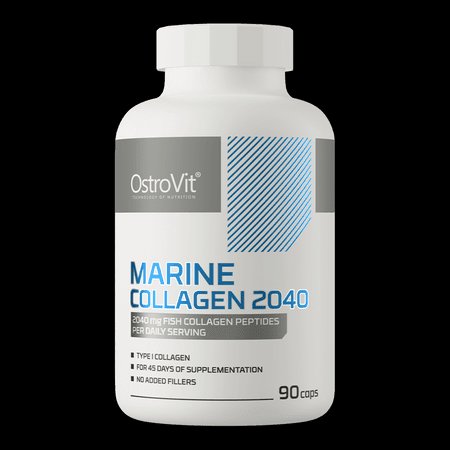
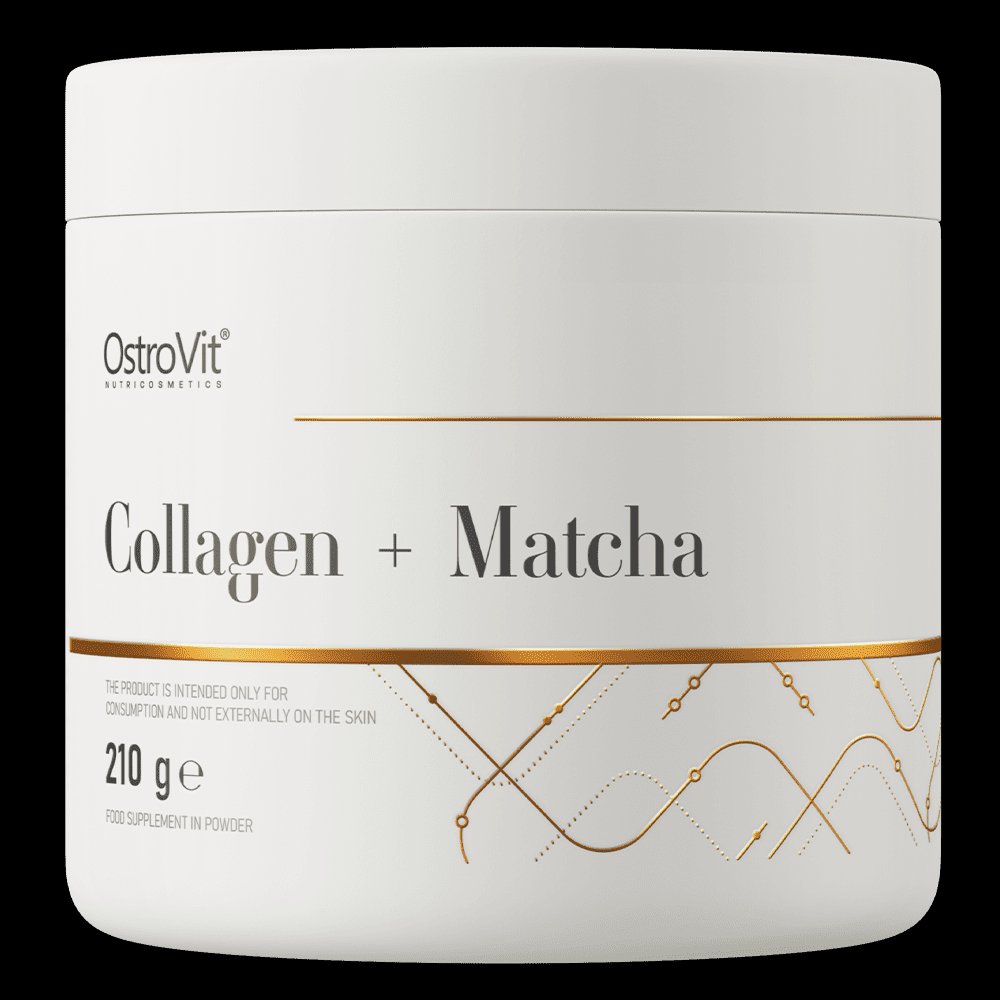
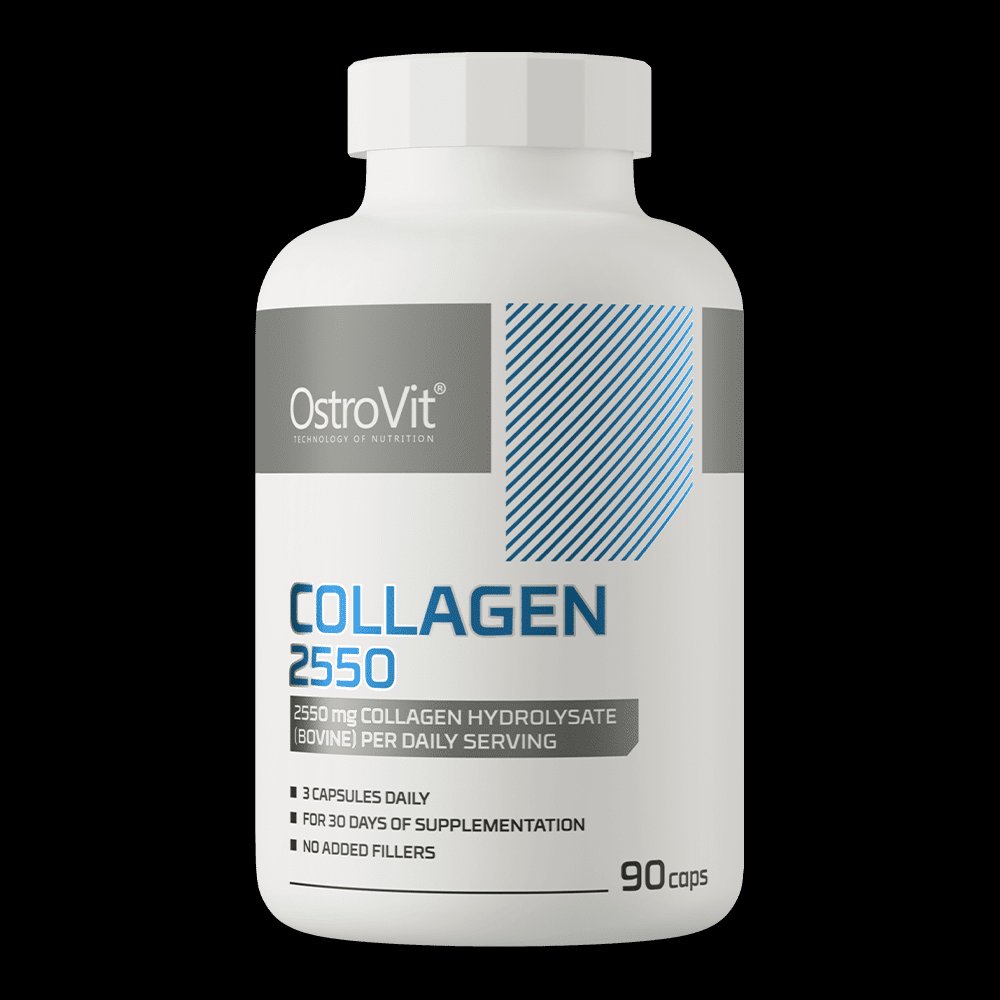
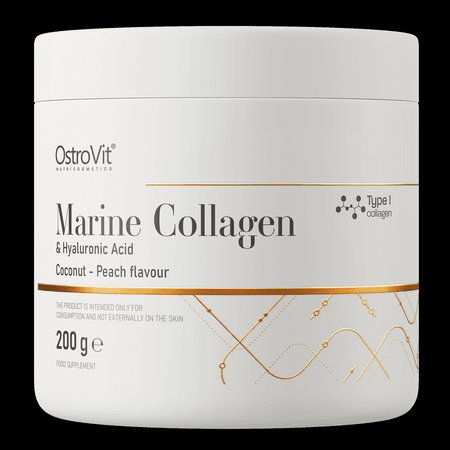
There are over 28 types of collagen in the body, but three are primary:
Type I (90% of body's collagen)
- Location: Skin, bones, tendons, ligaments, teeth
- Benefit: Skin elasticity, wrinkle reduction, bone strength
- Source: Bovine and marine collagen
Type II
- Location: Cartilage (especially joints)
- Benefit: Joint health, cartilage protection
- Source: Chicken cartilage collagen
Type III
- Location: Blood vessels, internal organs, skin
- Benefit: Skin structure, blood vessel elasticity
- Source: Often found alongside Type I in bovine collagen
Does collagen supplementation actually absorb and work?
This is the most common question about collagen and the answer is positive.
Hydrolyzed collagen (collagen peptides) is broken into small peptides (2-5 kDa) that:
- Absorb from the digestive tract — studies show 90%+ absorption
- Reach target tissues — skin, joints, bones
- Stimulate collagen production — the body's own fibroblasts activate
Ohsaki et al. (2010): Labeled collagen peptides were detected in skin for up to 96 hours after consumption.
Iwai et al. (2005): Proline-hydroxyproline dipeptide (collagen breakdown product) reaches the bloodstream and stimulates fibroblasts.
What do studies say about skin, joints, and bones?
Skin and Wrinkles
Proksch et al. (2014):
- 69 women, aged 35-55
- 2.5g and 5g collagen peptides for 8 weeks
- Skin elasticity improved by 15-20%
- Wrinkle depth decreased
- Effect lasted 4 weeks after stopping
Inoue et al. (2016):
- 85 participants, 8 weeks
- 5g collagen peptides daily
- Skin moisture increased significantly
- Skin roughness decreased
Joints
Shop this category — in stock now
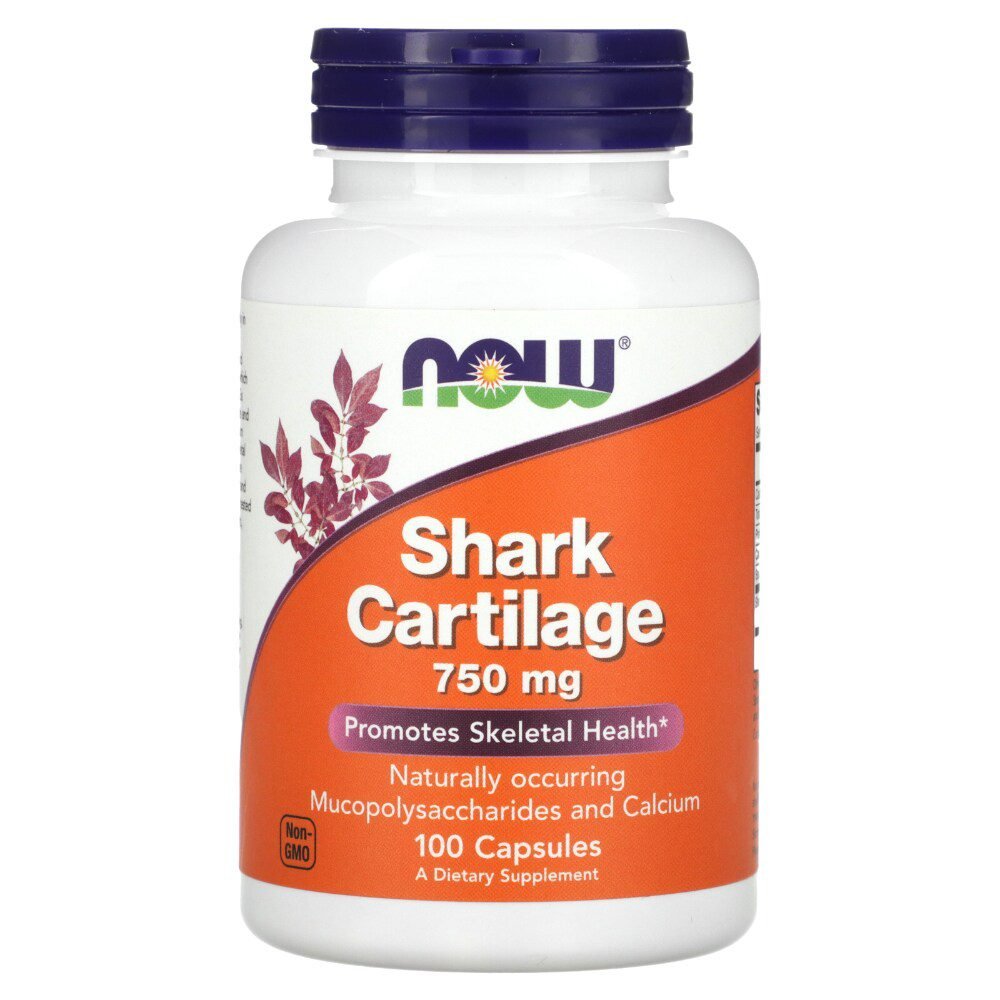
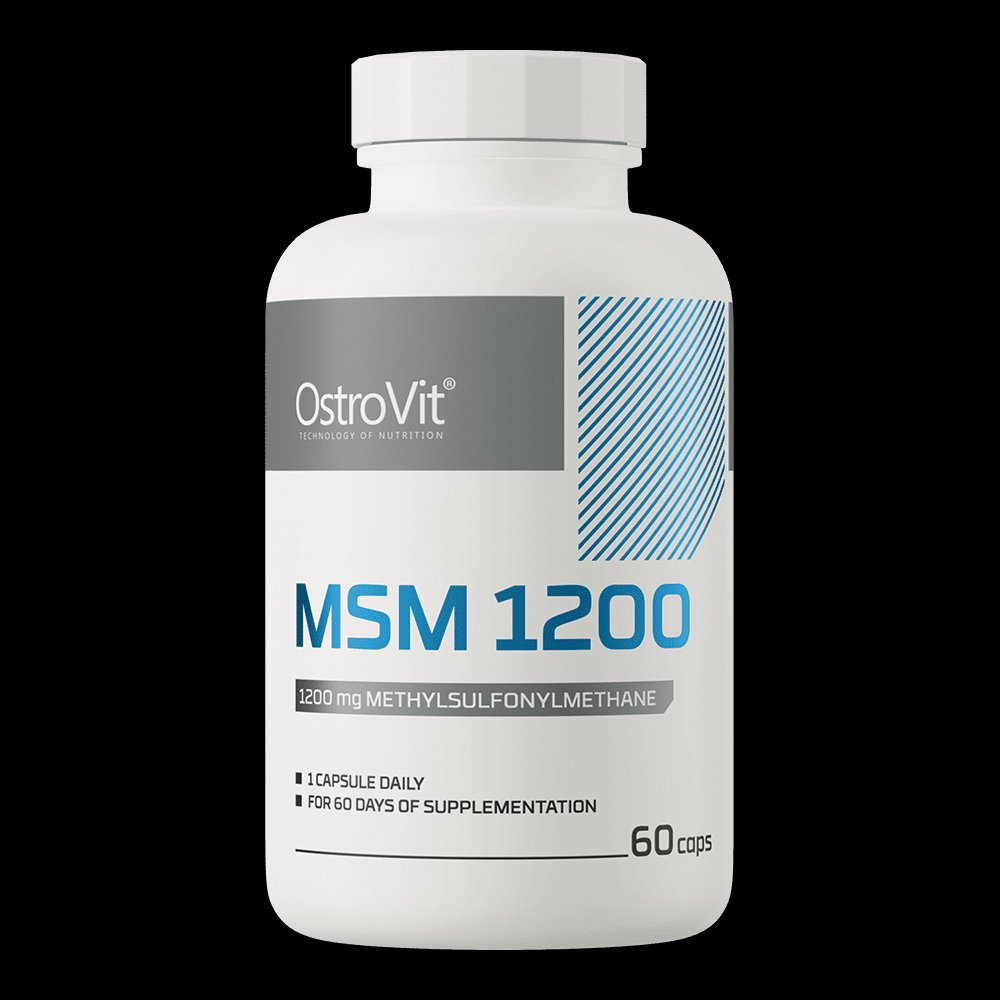
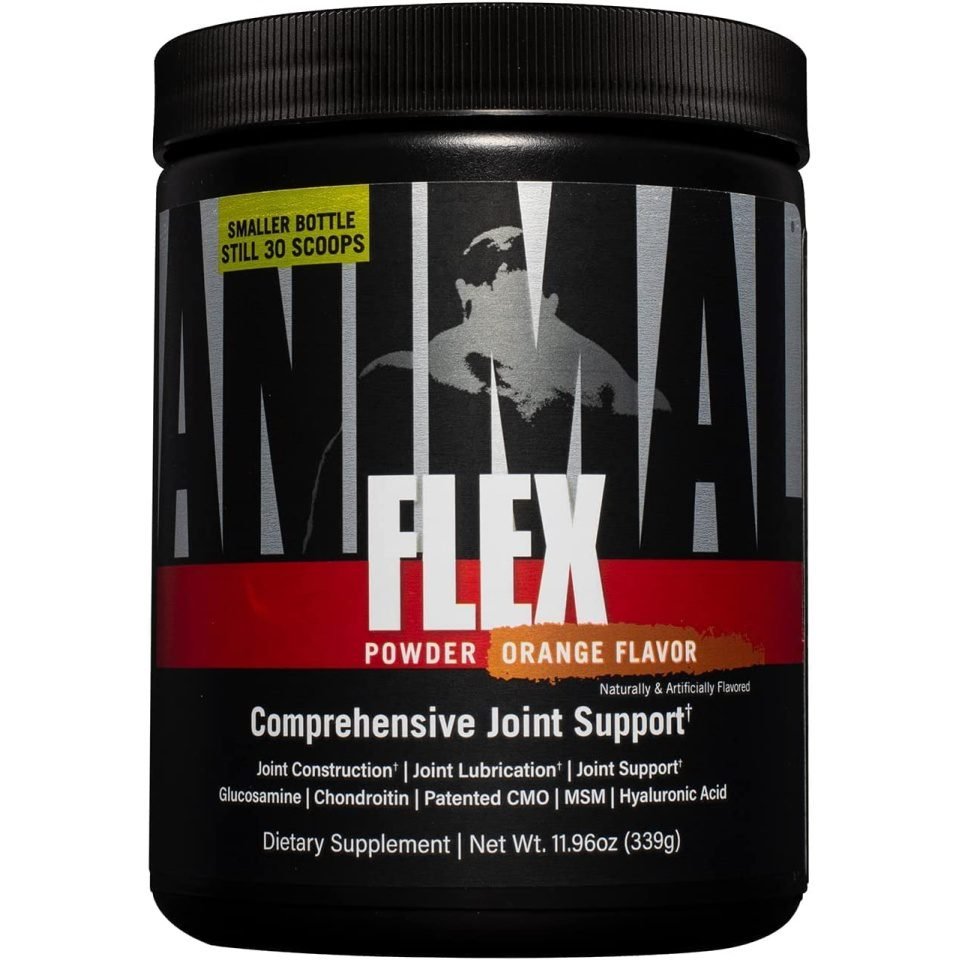
Clark et al. (2008):
- 147 athletes with joint pain
- 10g collagen hydrolysate for 24 weeks
- Joint pain decreased significantly during activity
Zdzieblik et al. (2017):
- Patients with knee osteoarthritis
- 5g collagen peptides for 12 weeks
- Pain decreased significantly
- Mobility improved
Bones
Konig et al. (2018):
- Postmenopausal women
- 5g collagen peptides for 12 months
- Bone density improved
- Bone degradation markers decreased
How to choose and dose collagen?
| Goal | Type | Dose | Duration |
|---|---|---|---|
| Skin and wrinkles | I + III (bovine/marine) | 2.5-10g | 8+ weeks |
| Joints | II (chicken cartilage) | 10g hydrolysate | 12-24 weeks |
| Bones | I (bovine/marine) | 5-10g | 12+ months |
| Hair and nails | I + III | 2.5-5g | 12+ weeks |
| Athletes (tendons) | I (bovine) | 10-15g | Ongoing |
Important: Combine collagen with vitamin C — vitamin C is needed for collagen synthesis!
Who benefits from collagen and what are the limitations?
Good fit:
- People over 25 (collagen production declines)
- Athletes (joint and tendon support)
- Those interested in skincare
- Osteoarthritis patients
- Postmenopausal women
Side effects:
- Generally very well tolerated
- Rarely: mild digestive issues, taste changes
- Allergies (in case of bovine, fish, or chicken allergy)
Bovine vs marine collagen:
- Marine collagen: smaller peptides, potentially better absorption, more expensive
- Bovine collagen: more studied, more affordable, equally effective
Explore our collagen selection and find the best product.
Summary
Collagen is a well-researched supplement for skin, joint, and bone support:
- Skin: Improves elasticity by 15-20% and reduces wrinkles
- Joints: Reduces pain and improves mobility
- Bones: Increases bone density with long-term use
- Dose: 2.5-10g hydrolyzed peptides daily
- Vitamin C: Always combine — needed for collagen synthesis
- Results: Within 8-12 weeks
Read more: Collagen: A Complete Overview
References
- Proksch E, Segger D, Degwert J, et al. (2014). Oral supplementation of specific collagen peptides has beneficial effects on human skin physiology: a double-blind, placebo-controlled study. Skin Pharmacology and Physiology, 27(1), 47-55.
- Clark KL, Sebastianelli W, Flechsenhar KR, et al. (2008). 24-week study on the use of collagen hydrolysate as a dietary supplement in athletes with activity-related joint pain. Current Medical Research and Opinion, 24(5), 1485-1496.
- Zdzieblik D, Oesser S, Baumstark MW, et al. (2015). Collagen peptide supplementation in combination with resistance training improves body composition and increases muscle strength in elderly sarcopenic men. British Journal of Nutrition, 114(8), 1237-1245.
- Bolke L, Schlippe G, Gerß J, Voss W. (2019). A collagen supplement improves skin hydration, elasticity, roughness, and density: results of a randomized, placebo-controlled, blind study. Nutrients, 11(10), 2494.
- Iwai K, Hasegawa T, Taguchi Y, et al. (2005). Identification of food-derived collagen peptides in human blood after oral ingestion of gelatin hydrolysates. Journal of Agricultural and Food Chemistry, 53(16), 6531-6536.