Rice — Healthy Carbohydrate Source

Rice — Healthy Carbohydrate Source
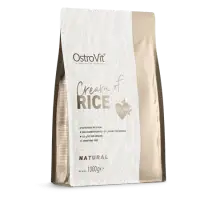
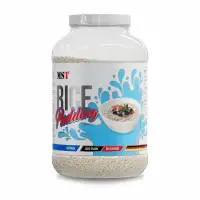
Healthy rice — why is it a favourite among athletes and health-conscious eaters?
Rice is one of the world's most consumed grains and an excellent source of clean carbohydrates for energy. Brown rice and other whole grain varieties additionally provide fibre, B vitamins, and minerals such as magnesium and selenium. For athletes, rice is particularly valuable because it is easy to digest, rarely causes allergies, and effectively helps restore glycogen stores after intense training.
Frequently asked questions about rice
Brown rice is whole grain rice with the bran and germ intact, providing more fibre, vitamins, and minerals. White rice is processed and faster to digest, making it a good choice immediately after training. Brown rice keeps you fuller longer and is better suited for everyday meals due to its higher nutrient density.
Yes, rice is naturally gluten-free, making it ideal for people with coeliac disease and gluten sensitivity. All rice varieties — white, brown, basmati, jasmine — are gluten-free. Rice flour is a popular gluten-free baking ingredient. Just check that the rice was not processed in a facility that also handles gluten-containing grains.
An athlete's rice portion depends on training load and body weight goals. A general recommendation is 150-300 g of cooked rice per meal, providing 40-80 g of carbohydrates. After intense training days, the need may be greater. Always combine rice with a protein source such as chicken, fish, or plant-based protein.
Brown rice is the most nutritionally versatile due to its higher fibre and micronutrient content. Black rice, also called emperor rice, is especially rich in antioxidants. Red rice also offers good fibre content. White basmati rice has a lower glycaemic index than regular white rice, making it a better everyday option.