Sugar Substitutes — Stevia, Erythritol & Syrups

Sugar Substitutes — Stevia, Erythritol & Syrups
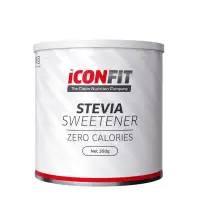
What are sugar substitutes and why are they used?
Sugar substitutes are natural or synthetic sweeteners that provide sweet taste with significantly fewer calories and a lower glycaemic index than regular sugar. Popular natural alternatives include stevia, erythritol, xylitol, and monk fruit extract, which do not raise blood sugar. They are especially suitable for diabetics, those managing weight, and anyone looking to reduce sugar intake without giving up sweet flavours.
Frequently asked questions about sugar substitutes
Erythritol and stevia are considered the healthiest choices. Erythritol is a zero-calorie sugar alcohol that the body does not metabolise and that does not raise blood sugar. Stevia is a plant-based sweetener that is 200-300 times sweeter than sugar. Neither has known harmful side effects with long-term use.
Most natural sugar substitutes do not significantly raise blood sugar. Erythritol and stevia have a glycaemic index of 0. Xylitol raises blood sugar minimally (GI about 7 vs sugar's 65). However, some products may contain fillers that affect blood sugar — always check the ingredient list before purchasing.
Yes, many sugar substitutes work well for baking. Erythritol and xylitol replace sugar at a 1:1 ratio. Stevia is much more concentrated and requires smaller amounts. Some substitutes may alter texture — erythritol gives a cooling effect, stevia can taste bitter in large quantities. Blends of sweeteners often work best.
Natural sugar substitutes like stevia and erythritol are generally safe for children in moderate amounts. Xylitol is even beneficial for dental health. However, young children should get accustomed to natural flavours without artificially increasing their sweet preference. For children under 3, it is better to limit all added sweeteners.
Sugar alcohols like xylitol, sorbitol, and maltitol can cause gas, bloating, and diarrhoea in large amounts because they ferment in the large intestine. Erythritol is the exception — it is absorbed in the small intestine and causes significantly fewer digestive problems. Start with small amounts and increase gradually.