Multivitamins — Vitamin Complexes & Sports Vitamins

Multivitamins — Vitamin Complexes & Sports Vitamins






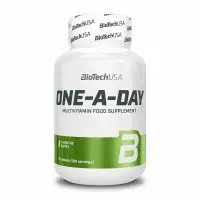





Why are multivitamins the most popular supplement?
Multivitamins are the most common supplement worldwide because they offer a convenient way to cover daily vitamin and mineral needs with a single capsule. A good multivitamin contains at least vitamins A, B-group, C, D, E, and essential minerals like zinc, selenium, and chromium. Multivitamins are especially suited for those whose diet is not always diverse and for athletes with higher nutrient demands.
Frequently asked questions about multivitamins
A varied diet covers most needs, but even a balanced diet often falls short of vitamin D (especially in winter), magnesium, and selenium. A multivitamin acts as an insurance policy that fills nutritional gaps. It does not replace healthy eating but complements it.
Take multivitamins in the morning with food. Fat-soluble vitamins (A, D, E, K) need fat for absorption — so include some healthy fat in your meal. Taking them on an empty stomach may cause nausea and reduces absorption.
A single overdose is unlikely, but chronic excessive intake can cause problems, especially with fat-soluble vitamins (A and E) that accumulate in the body. Do not take multiple multivitamins simultaneously or combine them with many single supplements without medical advice.
Check that vitamins are in bioactive forms: methylfolate (not folic acid), methylcobalamin (B12), D3 (not D2). Look for chelated minerals (bisglycinate, citrate). Avoid products with excessive vitamin A and iron doses unless your doctor has recommended them.
Yes, children's multivitamins contain smaller doses appropriate for their age and body weight. Adult products are too strong for children, especially regarding fat-soluble vitamins. From age 4, vitamin D and a multivitamin if needed are recommended for children.