Best Protein Powder in Estonia 2026
Best Protein Powder in Estonia 2026
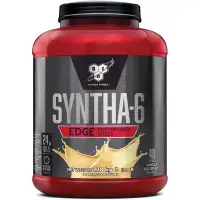
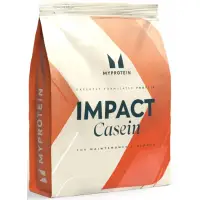
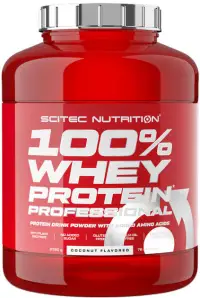
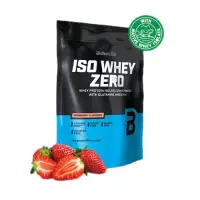
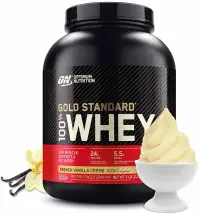
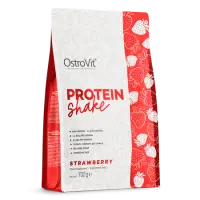
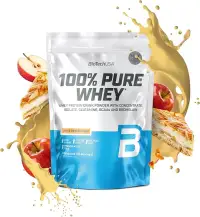
How we chose the best protein powder in 2026
When selecting the best protein powder, we evaluated protein quality (amino acid profile, BCAA content), protein percentage per serving, taste, mixability, and value for money. We compared whey protein (concentrate and isolate), casein, plant-based protein, and protein blends. For each type, we also examined lactose content, added sugars, and artificial sweeteners. Our assessment is based on scientific data about amino acid bioavailability and muscle protein synthesis.
Criteria for choosing the best protein powder
| Criterion | Why it matters | What to look for | Red flag |
|---|---|---|---|
| Protein percentage | Shows actual protein content per serving | At least 70-80% protein from dry weight, 85%+ for isolate | Below 60% protein — too many fillers |
| Amino acid profile | Leucine triggers muscle protein synthesis | At least 2-3 g leucine per serving | Amino acid profile missing from label |
| Taste and mixability | Directly affects daily compliance | Mixes well in water, no clumps | Overwhelming artificial taste, poor mixability |
| Additives and sugar | Excess sugar reduces product value | Under 3 g sugar per serving | Over 5 g sugar per serving |
| Price per gram of protein | The right way to compare protein powders | Calculate price per 1 g of protein, not per package | Small package with high price and low protein |
FAQ about the best protein powder
Beginners benefit most from whey protein concentrate — it offers great value, tastes good, and has a complete amino acid profile. Start with 1-2 servings daily after workouts. If you are lactose intolerant, choose whey protein isolate instead.
Quality protein powder in Estonia typically costs €0.03-0.06 per gram of protein. Whey concentrate is most affordable (€0.03-0.04/g), isolate is mid-range (€0.04-0.06/g), and plant protein is higher (€0.05-0.08/g). Larger packages (2+ kg) are always more cost-effective per serving.
Whey concentrate contains 70-80% protein and is more affordable — a great choice for most people. Whey isolate contains 85-95% protein, virtually no lactose or fat — ideal for lactose intolerance and cutting diets. Protein quality is equally high in both forms.
Check protein grams per serving (not total serving weight), sugar content (under 3 g), amino acid profile (especially leucine), and the ingredients list. Quality products have a short ingredient list with no unknown chemical additives.
Plant protein has slightly lower bioavailability, but a quality plant protein blend (e.g., pea + rice protein) provides a complete amino acid profile. Plant protein is suitable for vegans and those with lactose intolerance. Choose a blend rather than a single plant source to get all essential amino acids.