Best Magnesium in Estonia 2026

Best Magnesium in Estonia 2026
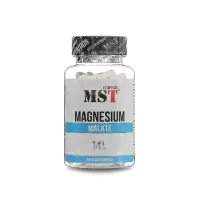
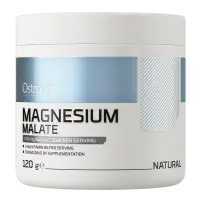



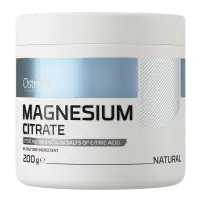
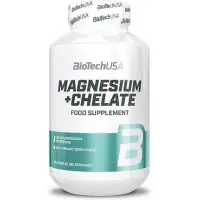

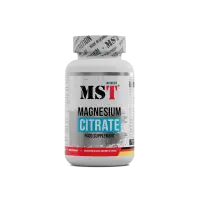

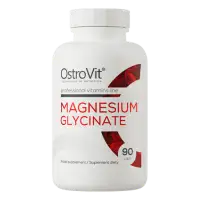
How we chose the best magnesium in 2026
When selecting the best magnesium, we evaluated four key criteria: bioavailability (how well the body absorbs magnesium), formula purity (free from unnecessary fillers), price-per-serving ratio (cost effectiveness), and brand reputation (certifications, third-party testing). We compared various magnesium forms — glycinate, citrate, malate, oxide, and L-threonate — and assessed their suitability for different needs. Our selection criteria are based on scientific research and clinical data on magnesium bioavailability. For each form, we also examined GI tolerance, as digestive discomfort is one of the main reasons people discontinue magnesium supplementation.
Criteria for choosing the best magnesium
| Criterion | Why it matters | What to look for | Red flag |
|---|---|---|---|
| Bioavailability | Determines how much magnesium the body actually absorbs | Glycinate, citrate, malate — high bioavailability | Only oxide form (low absorption) |
| Elemental magnesium | Total compound weight does not equal magnesium amount | Clearly labeled mg of elemental Mg per serving | Only compound weight on label |
| Purity and additives | Unnecessary fillers reduce product quality | Short ingredient list, GMP certification | Long list of unknown additives |
| Price per serving | Package price does not show true cost | Calculate price per serving, not per package | Very low price with low dosage |
| Form and purpose | Different magnesium forms suit different needs | Glycinate for sleep, citrate for digestion, malate for energy | Universal marketing without specifying form |
FAQ about the best magnesium
For beginners, we recommend starting with magnesium citrate — it has good bioavailability, is affordable, and works well for general use. Start with 200 mg per day and gradually increase to 300-400 mg. If your goal is better sleep, choose magnesium glycinate from the start.
Quality magnesium in Estonia typically costs €0.10-0.30 per serving. Magnesium citrate is the most affordable (€0.10-0.15), glycinate is mid-range (€0.15-0.25), and L-threonate is premium (€0.25-0.40). Prices above €0.50 per serving suggest excessive markup.
The main difference is the magnesium form and bioavailability. Cheaper products often contain magnesium oxide, which has only 4-5% absorption. More expensive forms like glycinate and citrate absorb 2-3 times better. Purity also matters — quality products are third-party tested and free from unnecessary fillers.
Brand is not the most important factor — magnesium form, elemental content, and formula purity matter more. However, established brands have typically undergone third-party testing and hold GMP certification. Always check the label and do not be swayed by marketing alone.
If you do not notice improvement after 4-6 weeks (sleep, energy, muscle cramps), try a different form. For example, if citrate does not improve sleep, try glycinate. If you experience digestive issues, switch to a gentler form. Give each form enough time to take effect.