Ashwagandha: A Herbal Supplement Guide
What is ashwagandha?
Ashwagandha (Withania somnifera) is a plant belonging to the nightshade family (Solanaceae). Also known as Indian ginseng or winter cherry. The plant is native to India, the Middle East, and parts of North Africa, where it grows naturally in dry and semi-arid conditions.
The ashwagandha root has been used in the Ayurvedic tradition for thousands of years. The plant's name comes from Sanskrit: "ashva" (horse) and "gandha" (smell), referring to the distinctive smell of the root.
As a supplement, ashwagandha is available in capsule, powder, and extract form. In the European Union, there are no EFSA-approved health claims for ashwagandha. Therefore, this guide presents only factual information about the plant, its composition, and how it is used.
How does it work?
The ashwagandha root and leaves contain several bioactive compounds. The primary active constituents are withanolides — steroidal lactones that are the characteristic chemical compounds of ashwagandha. Withanolide content varies depending on the plant part (root, leaf), growing conditions, and processing method.
In addition to withanolides, ashwagandha contains alkaloids (such as withanine), saponins, and iron compounds. The chemical composition of the plant is complex, and a large number of different compounds have been identified by researchers.
The active ingredient content of ashwagandha is typically measured by withanolide percentage. Different products may contain 1.5% to 10% withanolides, depending on the level of extract standardisation.
Standardised extracts
Several standardised ashwagandha extracts are widely available on the supplement market:
KSM-66 is an ashwagandha root extract produced using a patented extraction method without alcohol or chemical solvents. KSM-66 is standardised to contain at least 5% withanolides. It is one of the most widely used ashwagandha extract forms in supplements.
Sensoril is a combined root and leaf extract of ashwagandha. It is standardised to contain at least 10% withanolides and also contains a significant amount of withaferin A. Sensoril uses both root and leaf components.
Both extracts are trademarked formulations used in many different supplement products. Standardisation ensures consistent active ingredient content from batch to batch.
Forms
Ashwagandha supplements are available in several forms:
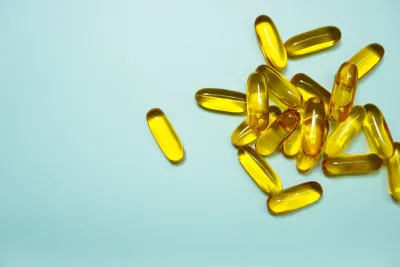
- Capsules — the most common form, typically containing standardised extract, convenient to dose
- Powder — a more traditional form, often raw ashwagandha root powder, can be mixed into drinks
- Root extract — concentrated liquid extract, usually in drop form
- Tablets — compressed powder or extract in tablet form
- Gummies — flavoured chewable gummies containing ashwagandha extract
Extract strength can vary significantly between products. Withanolide content is the primary metric by which products are compared.
How to take it
- Always follow the recommended daily serving stated on the label — do not exceed it
- Ashwagandha may be taken with or without food, depending on the specific product and manufacturer's instructions
- In traditional Ayurvedic practice, ashwagandha powder is mixed with warm milk
- Ashwagandha capsules can be taken at any time of day — choose a convenient time
- If using the powder form, it can be mixed into a smoothie, beverage, or food
Important: Ashwagandha is not a medicine in any way or sense. If you are taking medication or have health conditions, consult your doctor before using any supplement.
Who uses ashwagandha?
Ashwagandha supplements are used by various groups:
- Athletes and physically active people — ashwagandha is a popular supplement among athletes looking for plant-based additions to their nutrition
- Wellness enthusiasts — ashwagandha has become popular in health and wellness communities, especially among those interested in plant-based supplements
- Ayurvedic tradition followers — people who practise traditional Indian herbal health traditions
- Vegetarians and vegans — ashwagandha is a plant-based supplement that fits a plant-based diet
Ashwagandha use has become more widespread in the supplement market in recent years.
Frequently Asked Questions
Is ashwagandha safe?
Ashwagandha has been used in traditional Ayurvedic practice for thousands of years. As with all supplements, always follow the recommended dosage on the label. Pregnant and breastfeeding women and people taking medication should consult their doctor before use.
What is the difference between KSM-66 and Sensoril extracts?
KSM-66 is a root-only extract, standardised to 5% withanolides. Sensoril is a combined root and leaf extract, standardised to 10% withanolides. Both are trademarked standardised formulations. The main difference is the source materials used and the withanolide concentration.
Can I take ashwagandha with other supplements?
Ashwagandha can generally be combined with other supplements. If you take medication, consult your doctor regarding potential interactions.
What are withanolides?
Withanolides are naturally occurring bioactive chemical compounds in the ashwagandha plant — steroidal lactones. They are the characteristic active constituents of ashwagandha, and ashwagandha extracts are standardised by their withanolide content.
Is ashwagandha vegan?
Ashwagandha itself is a plant-based ingredient. However, capsule shells may be made from gelatine (animal-derived) or hydroxypropyl methylcellulose (plant-based). Check the product label to see if the product is marked as vegan.
Which form of ashwagandha is best?
The form is a matter of personal preference. Capsules are convenient and allow precise dosing. Powder is more traditional and flexible. What matters is the active ingredient content per serving, not the form. Always check the withanolide percentage on the label.
---
See also:
Important information
Toidulisand ei asenda mitmekesist ja tasakaalustatud toitumist ega tervislikku eluviisi.
A food supplement is not a substitute for a varied and balanced diet and a healthy lifestyle.
Биологически активная добавка не является заменой разнообразного и сбалансированного питания и здорового образа жизни.