Tryptophan — Mood & Sleep

Tryptophan — Mood & Sleep
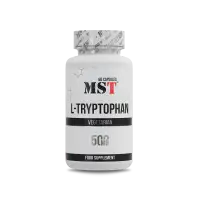
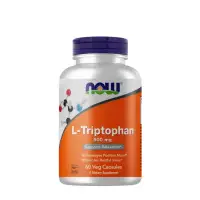
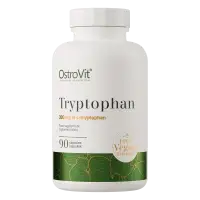
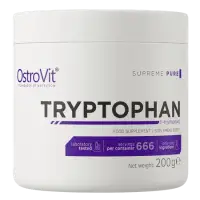
What is tryptophan and how does it affect mood and sleep?
Tryptophan is an essential amino acid the body cannot produce on its own and must obtain from food or supplements. It is the direct precursor of serotonin — the "happiness hormone" — and serotonin is in turn used to synthesize melatonin, which regulates the sleep-wake cycle. Tryptophan supplements are used to improve mood, enhance sleep quality, and relieve anxiety naturally.
Frequently asked questions about tryptophan
Yes, tryptophan is a precursor of serotonin and melatonin, so it supports the body's natural sleep regulation. Studies show that 1-3 g of L-tryptophan before bedtime shortens time to fall asleep and improves sleep quality. Unlike synthetic sleep aids, tryptophan does not cause dependency or morning grogginess. Effects typically appear within 1-2 weeks.
Tryptophan is first converted to 5-HTP in the body and then to serotonin. 5-HTP is one step closer to serotonin, so its effects are faster and doses smaller (50-200 mg vs. 500-2,000 mg). However, tryptophan also participates in other metabolic pathways (niacin production), providing broader benefits. Both should not be taken simultaneously due to serotonin syndrome risk.
For mood support, 500-1,000 mg of L-tryptophan per day is recommended, divided into 2-3 doses. For sleep support, 1,000-2,000 mg 30-60 minutes before bedtime is recommended. Take separately from protein-rich food, as other amino acids compete with tryptophan for absorption. A light carbohydrate-rich snack with tryptophan improves brain uptake.
Tryptophan is generally safe at recommended doses. Some people may experience mild nausea, headache, or drowsiness. Important warning: do not combine tryptophan with SSRI antidepressants, MAO inhibitors, or 5-HTP — this can cause dangerous serotonin syndrome. Consult a doctor if you take mood-affecting medications.