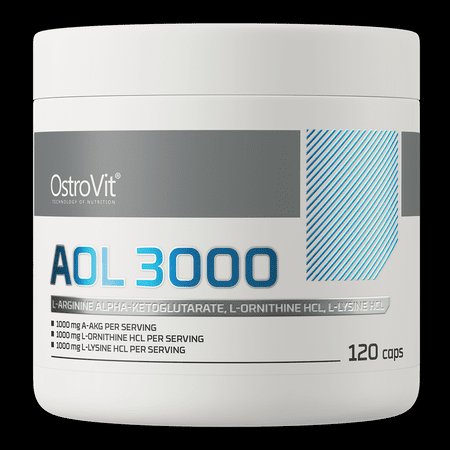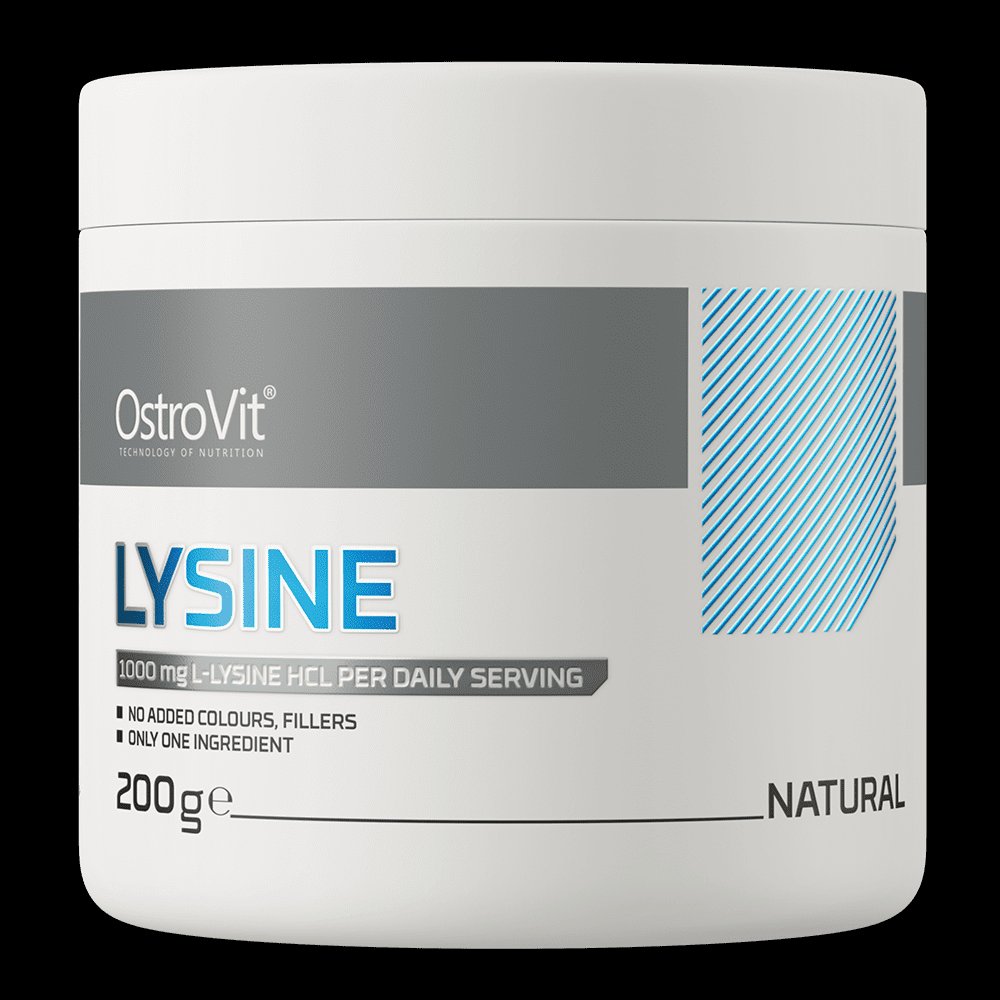
L-lysine is an essential amino acid required for collagen synthesis, calcium absorption, and immune function support. Since the body cannot produce lysine on its own, it must be obtained from food — rich sources include meat, fish, eggs, and dairy products. For athletes, lysine is especially important for maintaining connective tissue health (tendons, joints) and repairing micro-damage caused by training.
L-lysine is a key component of collagen synthesis, meaning it supports the health of tendons, ligaments, and joint cartilage. Intense training places heavy stress on connective tissues, and lysine helps repair these structures. Additionally, lysine supports calcium absorption, which is important for bone strength.
The general recommended dose is 1,000-3,000 mg per day. Athletes and active individuals may need up to 3,000 mg daily, splitting the dose into 2-3 portions between meals. For immune support, 1,000 mg three times daily is commonly used. Lysine is best absorbed on an empty stomach.
Yes, L-lysine is one of the best-known natural supports for reducing cold sore (HSV-1) outbreaks. Lysine competes with arginine, which the herpes virus needs to replicate. Studies show that 1,000-3,000 mg of lysine per day can reduce outbreak frequency and speed up healing.
The richest sources are red meat, chicken, fish (especially cod and sardines), eggs, cheese, and dairy products. Among plant sources, soybeans, lentils, and chickpeas stand out. Vegetarians should pay special attention to adequate lysine intake, as grains contain less of it.