Chaga — Mushroom Supplements for Immunity

Chaga — Mushroom Supplements for Immunity

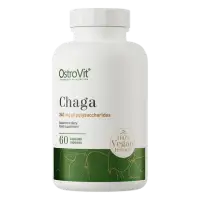
What is chaga and why is it used?
Chaga (Inonotus obliquus) is a mushroom that grows on birch trees and has been used in traditional medicine across Scandinavia and Siberia for centuries. Chaga is rich in antioxidants, beta-glucans, and melanin, which support the immune system and help combat oxidative stress. As a supplement, chaga is available in powder, capsule, and extract forms.
Frequently asked questions about chaga
Chaga primarily supports the immune system thanks to its high beta-glucan content. It also has strong antioxidant properties that help protect cells from oxidative stress. Research suggests potential anti-inflammatory effects and an ability to help balance blood sugar levels.
The most traditional method is chaga tea, but capsules and powder extract are more convenient and ensure precise dosing. Powder can be added to smoothies or coffee. Capsules suit those who dislike the taste of chaga. Choose a hot-extracted product to ensure better bioavailability of active compounds.
Chaga is generally well-tolerated, but in large amounts it may reduce blood clotting. People taking blood-thinning medications should consult their doctor before using chaga. Chaga also contains oxalates, which in high doses may put strain on the kidneys.
A typical dose is 500-1,500 mg of chaga extract per day. For tea, use 1-2 teaspoons of dried chaga powder per cup. Start with a lower dose and increase gradually. High-quality products will indicate the polysaccharide and beta-glucan content on the label.