
Fiber and Psyllium: A Complete Overview
What is fiber and psyllium?
Fiber is a group of indigestible carbohydrates found in food that human digestive enzymes cannot break down. Unlike other carbohydrates, fiber passes through the digestive tract largely undigested. Fiber is divided into two main types:
Soluble fiber:
- Dissolves in water and forms a gel-like mass
- Found in oats, beans, lentils, fruits, citrus fruits, and seeds
- Psyllium belongs to the soluble fiber category
Insoluble fiber:
- Does not dissolve in water and adds bulk to intestinal contents
- Found in whole grain products, bran, vegetables, and nuts
- Cellulose is a typical insoluble fiber
Psyllium
Shop this category — in stock now
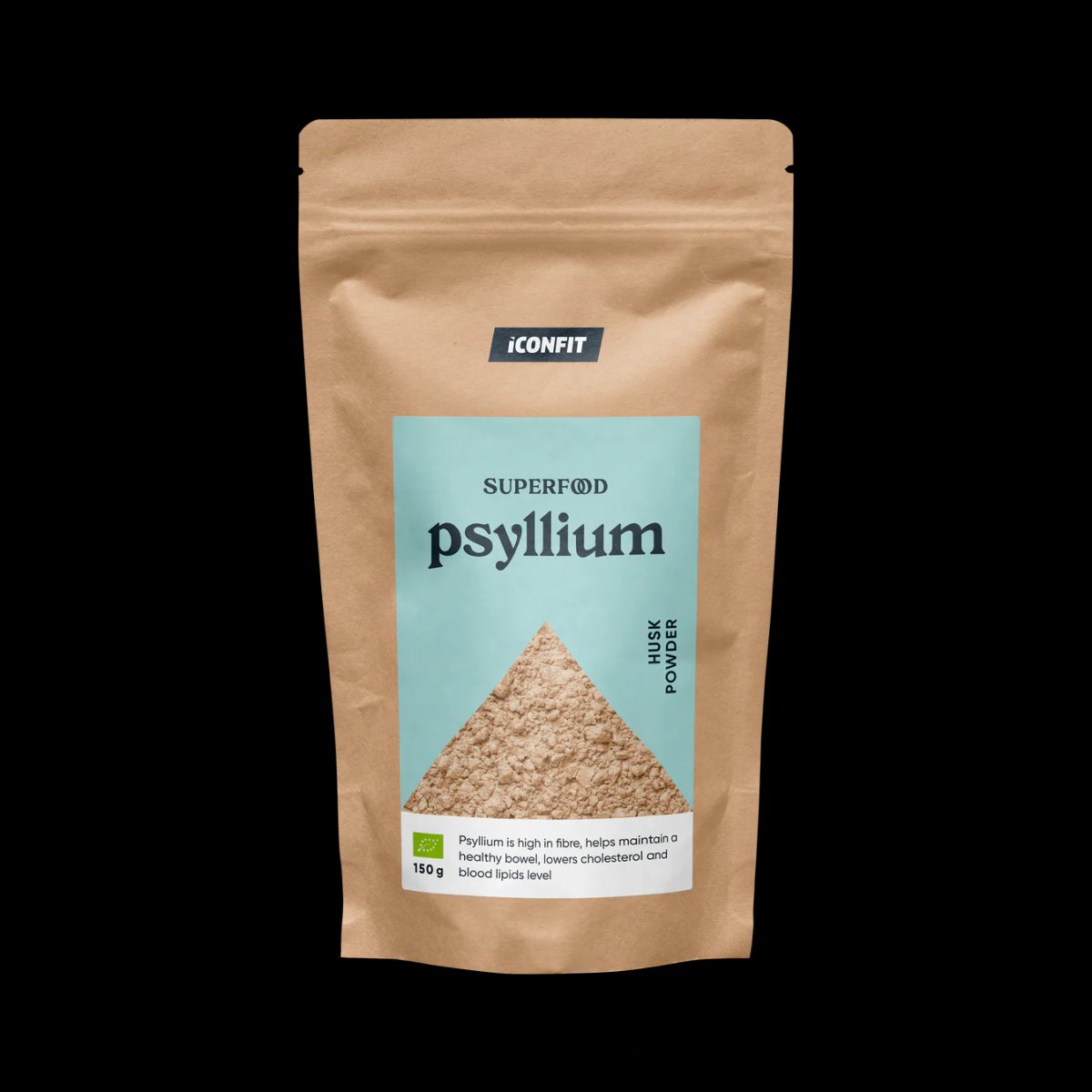
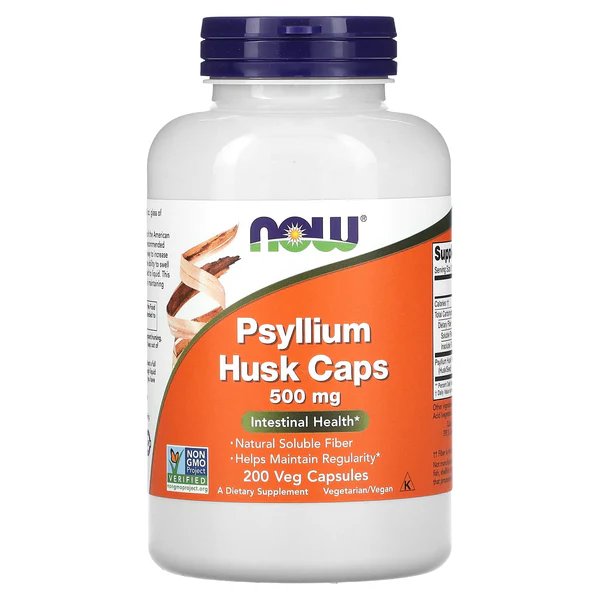
Psyllium (also known as psyllium husk) is a soluble fiber obtained from the seeds and seed husks of the plant Plantago ovata (Indian plantain). Plantago ovata is a herbaceous plant grown primarily in India, where it is cultivated on an industrial scale.
Psyllium husk is composed mainly of arabinoxylan polysaccharides, which are capable of absorbing large quantities of water — up to 10 times their own weight. When it absorbs water, psyllium swells and forms a thick, gel-like mass.
Psyllium has been used in traditional Ayurvedic medicine for centuries. As a dietary supplement, it is widely used around the world.
EFSA claims: For psyllium, EFSA has not approved specific health claims that can be used in supplement marketing without additional conditions. Therefore, this overview is purely factual and does not contain health claims.
How does it work?
Fiber, including psyllium, passes through the digestive tract largely unchanged, as the human body lacks the enzymes to break it down.
Soluble fiber (including psyllium):
- Absorbs water in the digestive tract and swells
- Forms a gel-like mass that increases the volume of intestinal contents
- Psyllium husk can absorb up to 10 times its own weight in water
- This gel formation is a purely physical process based on the hydrophilic properties of polysaccharides
Insoluble fiber:
- Does not dissolve or swell in water to the same extent
- Adds mechanical bulk to intestinal contents
- Passes through the digestive tract relatively unchanged
Fermentation process: Some fiber, particularly soluble fibers, is fermented in the large intestine, where gut microorganisms break them down. Short-chain fatty acids are produced during this fermentation process.
Important note: No health claims may be made about psyllium or other fibers that have not been approved by EFSA. This overview describes only factual, physical, and chemical properties.
Types of fiber supplements
Shop this category — in stock now
Psyllium (Plantago ovata)
- The most common soluble fiber supplement
- Derived from the seed husks of Plantago ovata
- Available as powder, husks, and capsules
- Absorbs water and forms a gel-like mass
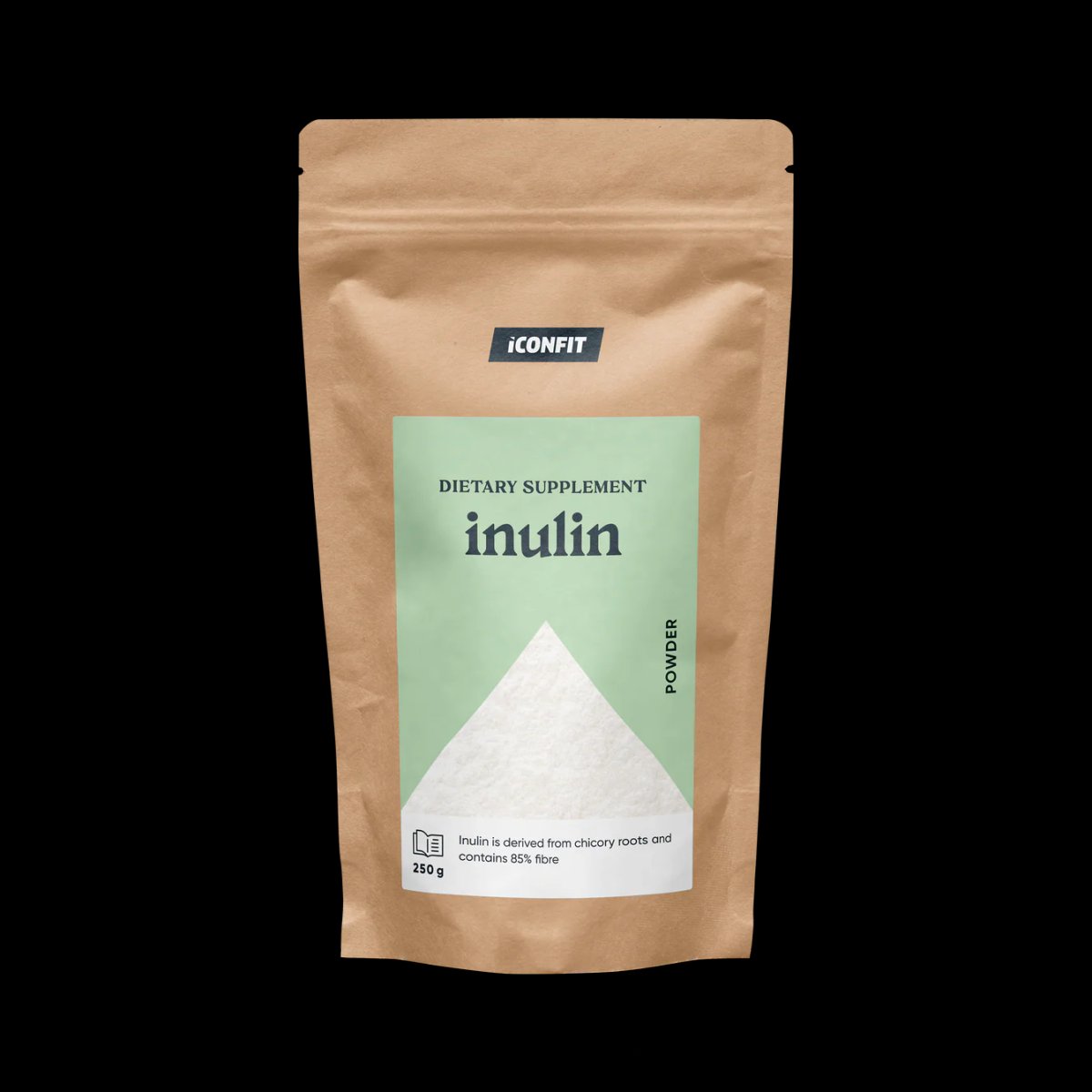
Inulin
- A soluble fiber obtained from chicory root, Jerusalem artichoke, and other plants
- Belongs to the fructan group — polymers composed of fructose units
- Classified as a prebiotic fiber, meaning it serves as a food substrate for gut microorganisms
- Available as a powder, often unflavoured
Glucomannan
- A soluble fiber obtained from the tuber of the konjac plant (Amorphophallus konjac)
- Capable of absorbing very large quantities of water
- Available in capsule and powder form
- Glucomannan has one EFSA-approved claim: "Glucomannan contributes to the maintenance of normal blood cholesterol levels" and "Glucomannan in the context of an energy-restricted diet contributes to weight loss" (under specific conditions of use: 3 g per day in three 1 g doses with 1-2 glasses of water before meals)
Cellulose
- An insoluble fiber
- Occurs naturally in plant cell walls
- Less commonly used as a supplement, as it is obtained in sufficient quantities from whole grain foods and vegetables
Methylcellulose
- A semi-synthetic fiber derived from cellulose
- Dissolves in cold water but not in hot water
- Available in powder form
Available forms
Powder
- The most common form, especially for psyllium and inulin
- Mixed into water, juice, or smoothies
- Allows flexible dosing
- Psyllium powder swells quickly, so it should be consumed immediately after mixing
Capsules
- Convenient and portable
- Fixed dose per capsule
- Suitable for those who prefer to avoid the texture of fiber in drinks
- Multiple capsules may be needed to reach the recommended serving
Husks
- Psyllium husk in raw form — whole or crushed husk particles
- Added to yoghurt, porridge, or baked goods
- Coarser texture than powder
Chewable tablets and granules
- Flavoured and aromatised variants
- Convenient for use while travelling
How to take it
General usage guidelines:
- Always follow the recommended daily serving stated on the label — do not exceed it
- VERY IMPORTANT: Always drink plenty of water with fiber supplements! Particularly with psyllium, adequate fluid intake is essential, as psyllium swells and absorbs water. Insufficient fluid intake may cause the fiber to swell in the digestive tract and lead to discomfort
- It is recommended to drink at least 250 ml (1 large glass) of water with each psyllium serving
- Mix the powder into water and drink immediately — do not let it stand, as it quickly thickens into a gel
Practical tips:
- Start with a smaller dose and increase gradually over several days to allow your body to adjust
- Take fiber supplements at least 30 minutes before or 2 hours after medications, as fiber may affect the absorption of some medications
- Consume adequate fluids throughout the day, not only when taking the supplement
- Psyllium can be taken either with meals or between meals
- Store in a dry place, as fiber absorbs moisture
Important warnings:
- Fiber supplements must always be taken with an adequate amount of liquid
- Start with a smaller dose and increase gradually
- If you have existing gastrointestinal conditions, consult a doctor
- Fiber supplements may affect the absorption of some medications — consult a doctor if you take medications
Who uses fiber supplements?
Fiber supplements are popular among various groups of people:
- People who want to increase their fiber intake — many people do not get enough fiber from food, especially when dietary options or preferences limit their intake
- Health-conscious adults — fiber is an important dietary component recommended in numerous national nutrition guidelines
- Athletes and active individuals — who want to ensure adequate fiber intake as part of their diet
- Older adults — who may find it more difficult to obtain sufficient fiber from food
- Travellers — fiber supplements in capsule form are convenient for use while travelling
Some people who should exercise caution:
- People with existing gastrointestinal issues — consult a doctor
- People taking medications — fiber may affect the absorption of some medications
- People with swallowing difficulties — swelling fiber may be hazardous without adequate liquid
Consult a doctor before starting any new supplement.
Frequently Asked Questions
What is the difference between soluble and insoluble fiber? Soluble fiber (such as psyllium, inulin, beta-glucan) dissolves in water and forms a gel-like mass. Insoluble fiber (such as cellulose, bran) does not dissolve in water and adds mechanical bulk. Both types are important dietary components found in various foods.
Why is it important to drink plenty of water with fiber supplements? Psyllium and other soluble fibers in particular absorb large quantities of water. Without adequate fluid, fiber may swell in the digestive tract and cause discomfort or blockage. Always drink at least 250 ml of water with each serving and consume sufficient fluids throughout the day.
Can fiber supplements be taken with medications? Fiber may affect the absorption of some medications from the digestive tract. It is recommended to take fiber supplements at least 30 minutes before or 2 hours after medications. Always consult a doctor if you take medications.
Is psyllium suitable for a gluten-free diet? Yes, psyllium is naturally gluten-free, as it is derived from the Plantago ovata plant, not from cereals. However, always check the product label for cross-contamination, especially if you have coeliac disease.
How much fiber is recommended per day? The European Food Safety Authority recommends approximately 25 grams of fiber per day for adults as a dietary component. This amount is intended to come from a varied diet. Supplements can help complement the fiber obtained from food but do not replace a varied diet.
Do fiber supplements have calories? Fiber has very few calories or none at all, as the human body does not digest it. Some soluble fiber is fermented in the large intestine, which provides a small amount of energy (approximately 2 kcal/g), but this is significantly less than digestible carbohydrates (4 kcal/g).
See also:
- Probiotics: A Complete Guide
- Bloating and Digestive Issues: Enzymes, Probiotics, and Natural Solutions
- Gut Health for Beginners: Probiotics, Prebiotics, and Microbiome Basics
Browse health and wellness products at MaxFit →